West Asia War Poses Risk to Growth-Inflation Says RBI

RBI warns of second-round effects due to energy supply disruptions
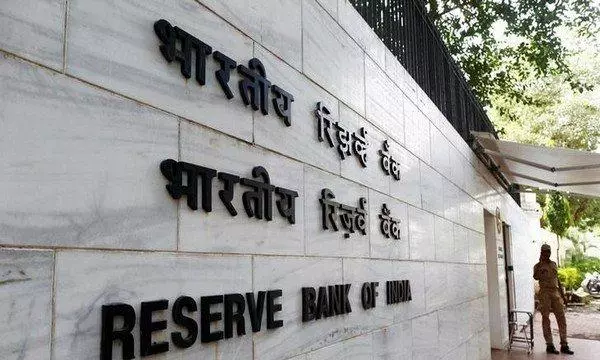
Mumbai: Amid the ongoing West Asia conflict, the Reserve Bank of India (RBI) has warned that the possible second-round effects, where energy supply shocks could transform into demand-side pressures, require careful and continuous assessment. In the April edition of its Bulletin, the central bank, however, remained optimistic that the country’s strong macroeconomic fundamentals should support the Indian economy to maintain its resilience to withstand such shocks.
Second round effects refer to the indirect and persistent consequences of supply chain disruptions caused by the conflict, which could lead to inflationary pressures.
The article ‘State of the Economy’ in the April Bulletin said that the RBI remains vigilant of the evolving growth-inflation dynamics and put in place policies that prioritise the best interest of the economy.
The economists noted that before the outbreak of the conflict, India’s macroeconomic fundamentals exuded confidence with buoyant growth and low inflation.
The conflict in West Asia has intensified pressures on the global supply chains in March, with some easing observed in the first half of April. Domestic economic activity displayed resilience in many segments, with a slowdown in a few others. The intensity and duration of the conflict, as well as the resultant damage to energy and other infrastructure, add risk to the inflation and growth outlook, it added.
“The intensity and the duration of the conflict and the resultant damage to the energy and other infrastructure add risk to the inflation and growth outlook. If the conflict persists and supply chains are not restored early, it may create challenges to the domestic economy in the form of higher energy costs, input cost pressures, disruption in trade flows and financial market spillovers,” the RBI said in the Bulletin.
Though inflation remains contained within the tolerance band, upside risks have increased, driven by supply-side disruptions, including weather-related uncertainties.
“Possible second-round effects with the supply shock transforming itself into a demand shock also warrant careful and continuous assessment. The temporary two-week ceasefire between the US and Iran has, however, provided some breather to the global economy. The strong macroeconomic fundamentals should support the Indian economy to maintain its resilience to withstand such shocks,” it said.
