Gems and Jewellery Exports Down By 40 pc In A Decade: Vipul Shah

Gems and jewellery exports have fallen more than 40% from their peak in the last decade. In FY12, exports were over $45 billion, while in FY26 they are down to about $27 billion. At one point, gems and jewellery accounted for 17% of India’s export basket; today, that share has slipped to 6%.
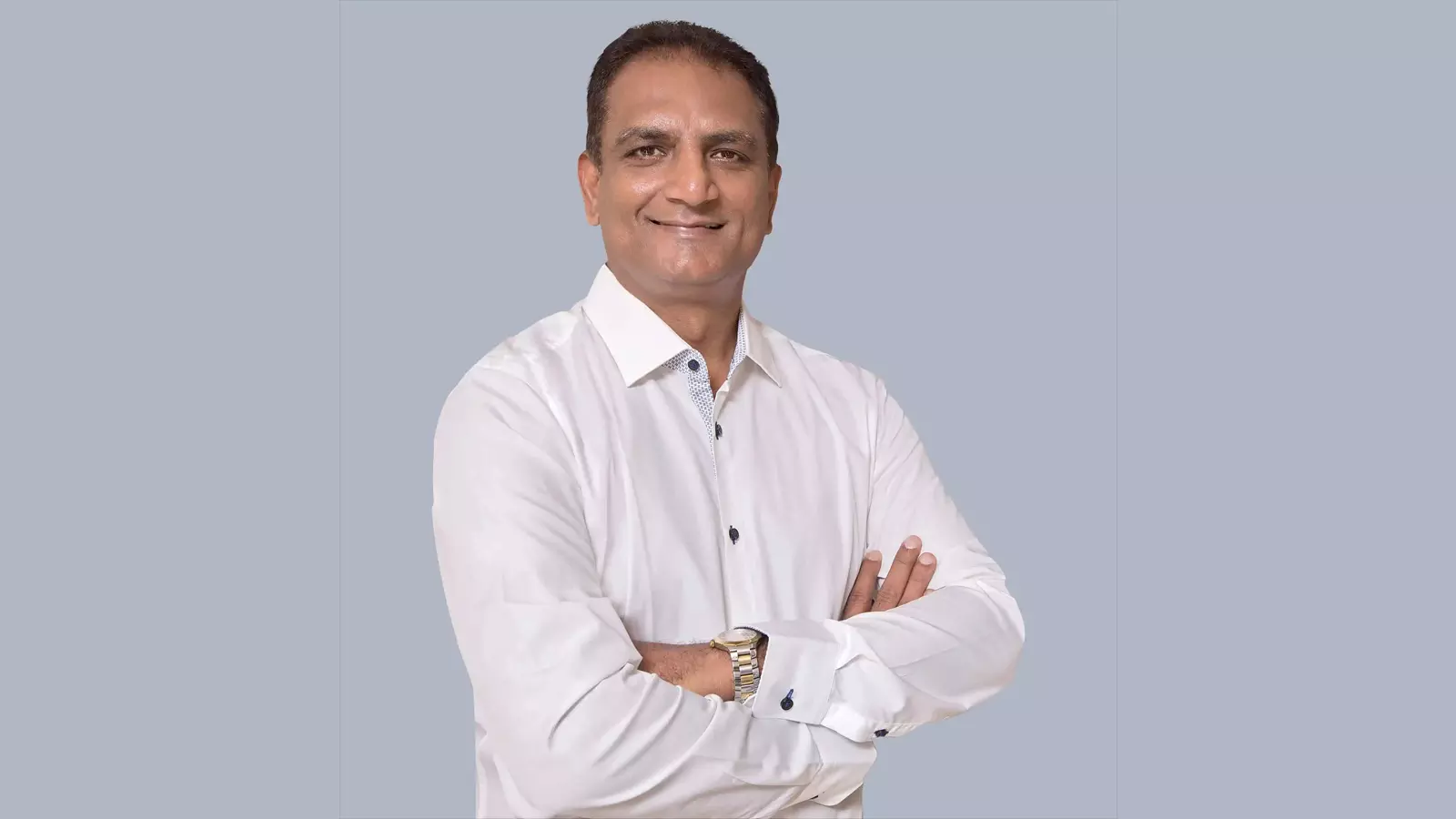
Chennai: Gems and jewellery exports have fallen more than 40% from their peak in the last decade. In FY12, exports were over $45 billion, while in FY26 they are down to about $27 billion. At one point, gems and jewellery accounted for 17% of India’s export basket; today, that share has slipped to 6%. Yet global jewellery demand has continued to rise. Vipul Shah, former chairman of the Gems and Jewellery Export Promotion Council (GJEPC), believes the sector has bottomed out and is poised for a rebound.
Why did exports decline 3% to $27 billion in FY26?
It all started with the U.S. imposing tariffs, which became a major hurdle for exports going to that market. A large portion of the gems and jewellery basket—over 40–50%—is made up of loose diamond exports, so this segment was severely impacted. That was the primary reason behind the slowdown. A trade treaty with the U.S. was expected, and once that is in place, there is confidence that business in the U.S. market will return to normal. The second major issue was geopolitical tensions involving Iran, Israel and the U.S., which affected demand in the Middle East and created additional pressure on exports.
Gold rose 61% and silver 128% in FY26. Why did export volumes decline overall?
Prices shot up sharply, making jewellery unaffordable for many consumers. When there is volatility and no price stability, buyers tend to hold back and wait for better levels. This was one of the key reasons why gold jewellery exports were hit. The segment also faced challenges similar to diamonds, and together these factors weighed on overall export volumes.
This decline in exports is not a recent phenomenon. In FY12, exports were over $45 billion. And in FY26, it is down by over 40% to $27 billion. At one point of time, gems and jewelry had 17% share in the export basket, and now it has dropped to 6%. But if you look at the jewelry demand globally, the U.S jewelry market has grown from $70 billion to $105 billion, and the China market also has grown from $39 billion to $94 billion. The UAE market, the other key market for India has also been growing. How did we actually lose out in key markets over the past decade, and who has been grabbing our share of exports?
In the total gems and jewellery basket, nearly 50% consists of cut and polished diamond exports. This segment has been severely hit due to supply and demand disruptions. At one time, exports of cut and polished diamonds were around $22 billion, which has now fallen to nearly $11–12 billion. Prices have been under pressure for the past few years due to oversupply of rough diamonds. The rise of lab-grown diamonds also created confusion among consumers, while geopolitical tensions further weakened demand.
Consumption in major markets has risen, so was the issue something inherent to our export sector?
Consumer demand itself has not collapsed. In China, post-COVID, demand shifted more towards gold as a form of savings rather than studded jewellery or diamonds. In the U.S., consumers were presented with an additional option in lab-grown diamonds, which have gained significant popularity. This shift in consumer preference has led to a gradual movement away from natural diamonds.
Where does India stand in the global lab-grown diamond market?
India holds a dominant position in cutting and polishing lab-grown diamonds. Almost all small stones used in jewellery and watches are processed in India, except for very large diamonds above two carats. The country continues to benefit from its strong base of skilled labour. In terms of production, India commands roughly 75–80% of the global market.
Why are Indian companies setting up units in mining hubs like Botswana and South Africa?
These regions are rich in natural resources, particularly diamond and gold mines. Companies looking to be closer to raw material sources naturally invest in such geographies. However, India’s strength remains in cutting and polishing, and globally the industry continues to rely on India’s processing capabilities.
Q: There is something absurd about the rules regarding the import of rough diamonds. In special notified zones, a multinational diamond miner can display and auction their rough diamonds, but cannot sell them to processors in India. They have to go back, and then the export order has to be made. Has this affected the ease of doing business in the sector?
Yes, this has increased logistics costs significantly. The industry has raised this concern with the authorities, as allowing direct sales in India would reduce costs and improve efficiency. If auctions and transactions happen within the country, it would eliminate unnecessary movement and make the sector more competitive globally. There is a growing consensus that these rules need to be rationalised.
Despite being the largest diamond processor, why doesn’t India have a global jewellery brand like Cartier or Tiffany?
Indian brands are gradually expanding their global footprint. Names like Tanishq, Kalyan and Malabar have started establishing a presence in international markets, particularly in the Middle East. Over time, India as a jewellery brand is expected to gain stronger recognition globally.
How is the industry keeping up with fast-changing global trends?
India has a strong pool of jewellery designers who are highly adaptable to global preferences. Through initiatives like artisan awards, the industry is promoting innovation and encouraging designers to cater to different markets such as Europe, the U.S. and the Middle East. This ability to quickly align with changing trends gives India a competitive edge.
Does the sector need more professionally run businesses?
The industry may have originated as a family-driven sector, especially in cutting and polishing, where skills were passed down through generations. However, with increasing automation and scale, it is now becoming more corporate and professionally managed. The jewellery segment, in particular, is seeing greater participation from professionals and better access to capital.
How are you addressing skilled labour challenges?
During periods of disruption, retaining skilled labour has always been a concern, as workers tend to shift to other sectors when units slow down. However, in the recent downturn, lab-grown diamonds played a complementary role because the process is similar to natural diamonds. This ensured that workers could be absorbed within the ecosystem and continue to find employment. Going forward, the focus is not just on retention but also on upgrading skills to match evolving technologies and design requirements. With better training, more stable demand and diversification into segments like lab-grown diamonds, the industry is better positioned to safeguard its workforce and ensure continuity.
How can the sector regain its lost share in exports?
The government has been proactive in supporting the industry, including signing free trade agreements with key markets. At the same time, there is a significant opportunity in the global jewellery market. With strong design capabilities, a skilled workforce and improved policy support, the industry is well placed to gradually regain its export share.
