Decoding Green Steel and the Road to Net Zero at Jindal Stainless

A deep dive into how Jindal Stainless is rethinking steelmaking through green hydrogen, renewable energy, and a long-term net zero vision.
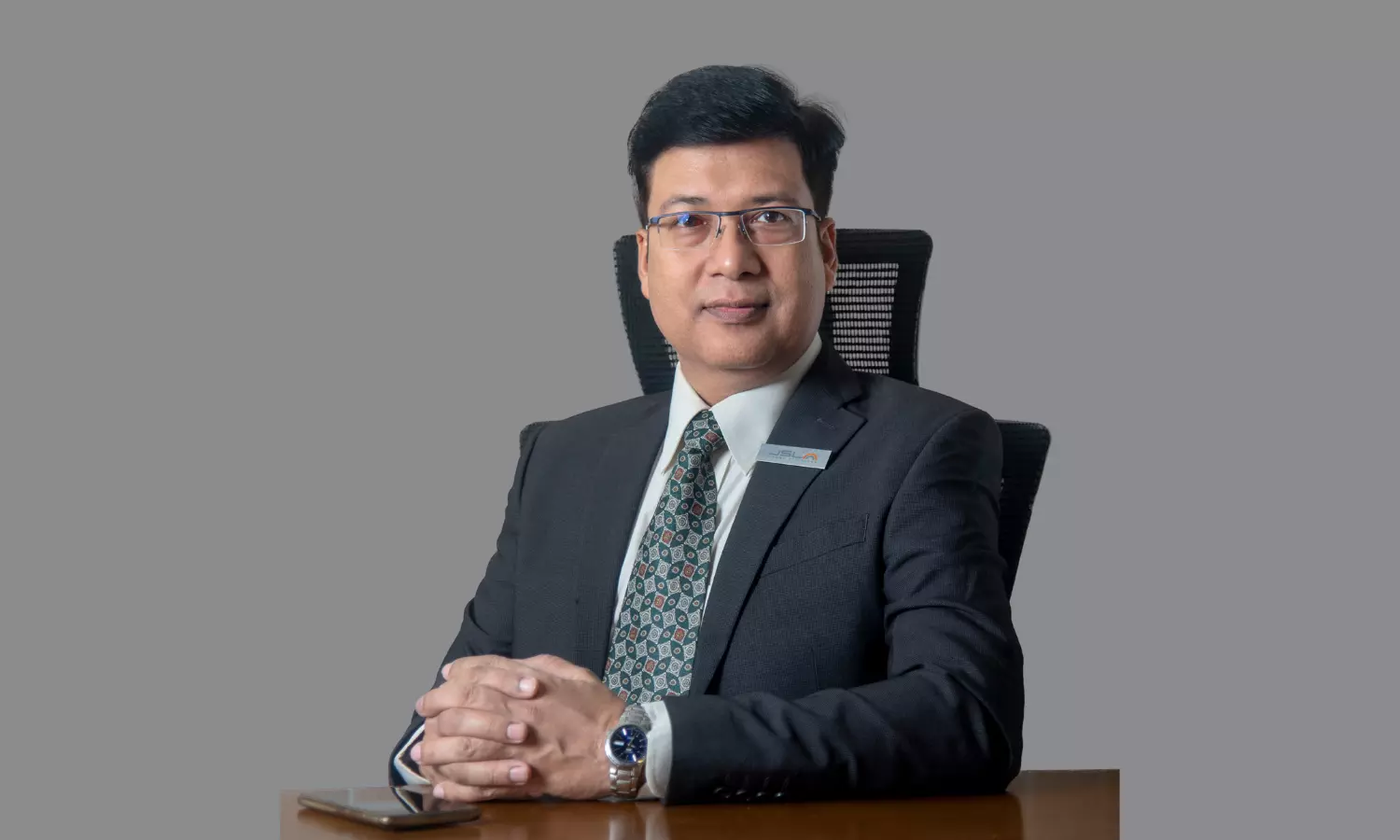
In DC Conversations, Kalyan Kumar Bhattacharjee, Chief Sustainability Officer at Jindal Stainless, breaks down what sustainability looks like on the ground inside a steel plant, from hydrogen pilots to waste heat recovery. He also unpacks the tough trade-offs between cost, scale, and decarbonisation shaping India’s green steel future.
Excerpts
Q: Jindal Stainless is betting big on green hydrogen. What does this transition look like on the ground inside a steel plant?
A: Hydrogen has always been part of our processes, though traditionally in forms like cracked ammonia. The shift to green hydrogen meant producing it through electrolyzers powered by renewable energy. We began with a pilot project at our Hisar facility, replacing cracked ammonia with pure green hydrogen. The transition was not just about swapping fuels. It required new engineering systems, upgraded safety protocols, and extensive workforce training because hydrogen is highly sensitive. Having proven the pilot, we are now scaling it commercially and exploring future uses like fuel blending and even as a reductant.
Q: What are the toughest trade-offs between scale, cost and sustainability as you move toward net zero?
A: The biggest challenge is balancing ambition with economics. Carbon avoidance measures like renewable energy adoption are easier to justify because they offer long-term cost stability. But carbon removal technologies such as carbon capture are capital intensive and still evolving. Scaling these technologies across a large steel plant is complex. At the same time, inaction carries risks due to future carbon regulations and taxes. So the strategy is to act now on what is viable while preparing for future technologies.
Q: Cutting emissions by over 1.4 lakh tonnes is significant. What operational shifts made this possible?
A: It came from a portfolio approach rather than one initiative. We focused on energy efficiency, waste heat recovery, and renewable energy adoption. For example, our waste heat recovery systems generate steam that reduces coal consumption significantly. We also installed large-scale rooftop and floating solar projects and signed long-term renewable power agreements. Alongside this, we improved recycling and increased scrap usage. Together, these measures delivered meaningful emission reductions.
Q: Stainless steel is considered sustainable. Where does the industry still fall short in closing the loop?
A: Stainless steel is highly durable and infinitely recyclable, but the challenge lies upstream. The production of nickel and chromium is energy intensive and carbon heavy. Another issue is energy sourcing, as steelmaking requires stable power, often from conventional sources. Scrap availability is also a constraint. While higher scrap usage reduces emissions, supply chain limitations and global restrictions on scrap exports make it difficult to scale further.
Q: How do you see green steel shaping infrastructure and urban life in India’s Viksit Bharat 2047 vision?
A: The shift to green steel will depend on demand creation. If government policies mandate green procurement in infrastructure projects, adoption will accelerate. While producers are ready and certification frameworks are emerging, green steel remains costlier. For it to move from niche to mainstream, policy support and demand incentives will be critical.
