Markets Fall; Jewellery Stocks Hit by PM Modi’s Gold Remark

Weak global cues from Wall Street futures and Prime Minister Narendra Modi’s appeal to curb foreign exchange outflows added pressure to domestic markets
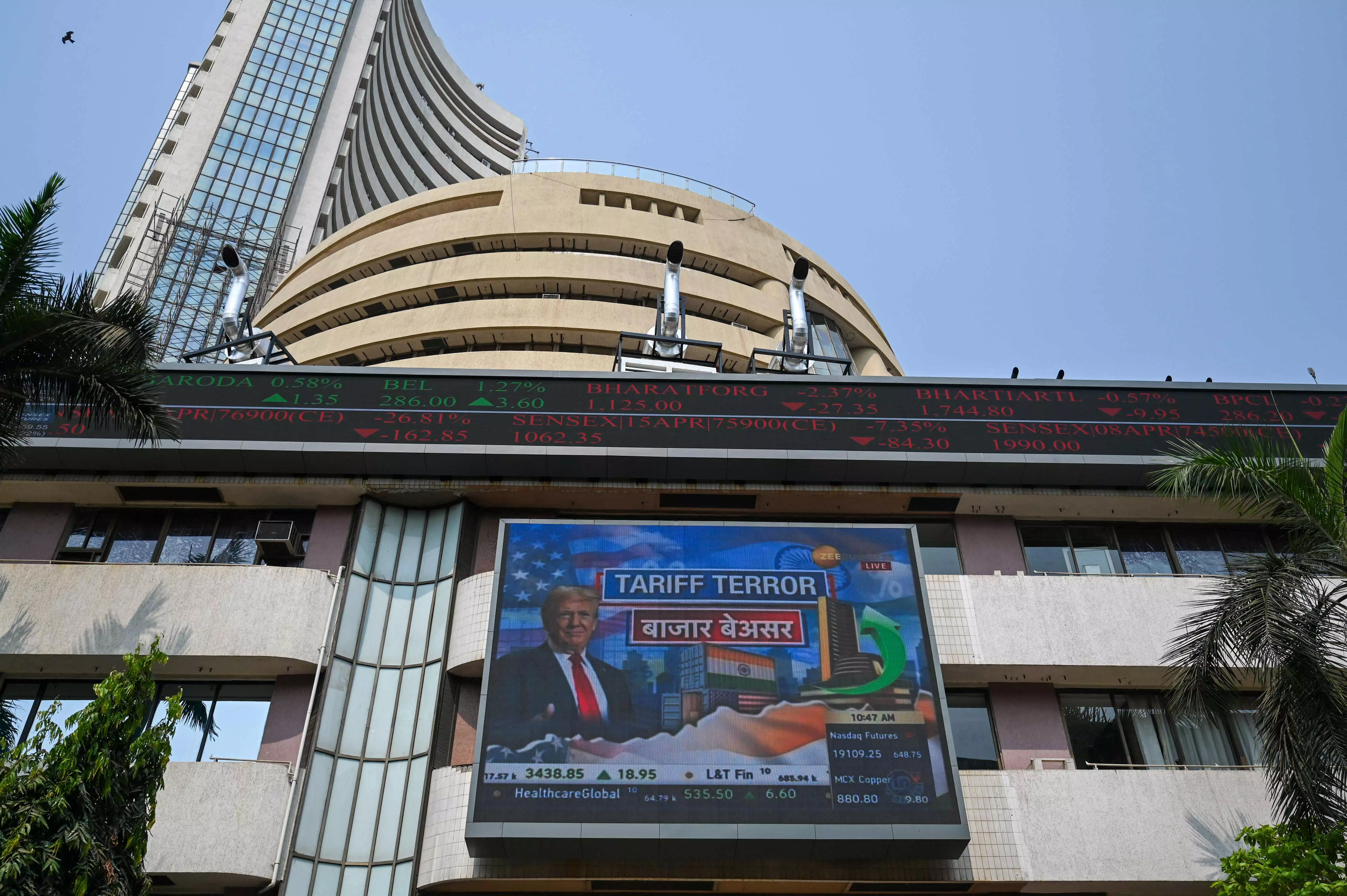
New Delhi: Indian equity benchmarks opened in the red on Monday as geopolitical tensions, rising crude oil prices and concerns over foreign exchange outflows weighed on investor sentiment.
Weak global cues from Wall Street futures and Prime Minister Narendra Modi’s appeal to curb foreign exchange outflows added pressure to domestic markets.
At the opening bell, the BSE Sensex stood at 76,378.03 points, down 950.16 points or 1.23 per cent. The NIFTY 50 opened at 23,900.25 points, declining 275.90 points or 1.14 per cent.
The jewellery sector witnessed sharp selling after PM Modi urged citizens to conserve foreign exchange reserves by avoiding unnecessary foreign travel, overseas vacations and non-essential gold purchases for one year.
Following the remarks, shares of Senco Gold Limited fell 8.98 per cent to Rs 332.60, while Titan Company Limited declined 5.34 per cent to Rs 4,268.10.
Kalyan Jewellers India Limited dropped 7.43 per cent to Rs 393.00, and PC Jeweller Limited slipped 3.89 per cent to Rs 9.13.
Banking and market expert Ajay Bagga said investors are worried about energy supply disruptions and the economic impact of rising oil prices.
“Indian markets are pointing to a weak open. Expectations of petrol and diesel price hikes this week are high as OMC losses are running at Rs 30,000 crores per month,” Bagga said.
He also highlighted concerns over escalating tensions between the US and Iran, noting that markets remain focused on the AI and Big Tech rally while overlooking geopolitical risks.
Bagga said remarks by Israeli Prime Minister Benjamin Netanyahu about continuing military action against Iran’s nuclear facilities have heightened uncertainty.
He added that China’s stance on Iran has lowered expectations from a possible Trump-Xi summit, with both sides expected to approach talks cautiously.
Meanwhile, Sujan Hajra, Chief Economist at Anand Rathi, said Indian markets had remained relatively resilient despite global uncertainty.
He noted that broader markets, especially midcap and smallcap stocks, continued to perform well, supported by auto and IT shares, while banks and metal stocks faced pressure due to disappointing earnings and global risks.
Hajra said India’s macroeconomic fundamentals remain strong, with improving PMI activity and stable domestic demand.
However, he cautioned that higher crude prices, supply chain disruptions and tensions around the Strait of Hormuz continue to pose inflationary risks.
“Growth is holding up, but global risks are beginning to make resilience more expensive,” Hajra said.
