Not restrictions; promotions will help travel industry earn 25 pc more forex
If tourists know they can get back the 18 percent GST they paid, they will definitely stay longer and spend more on shopping.
Chennai: In the context of the ongoing Iran war, Prime Minister Narendra Modi has appealed to people not to travel overseas to save forex. The travel industry provides livelihood to millions of people, and curbing demand in any industry will only take the country towards stagflation.
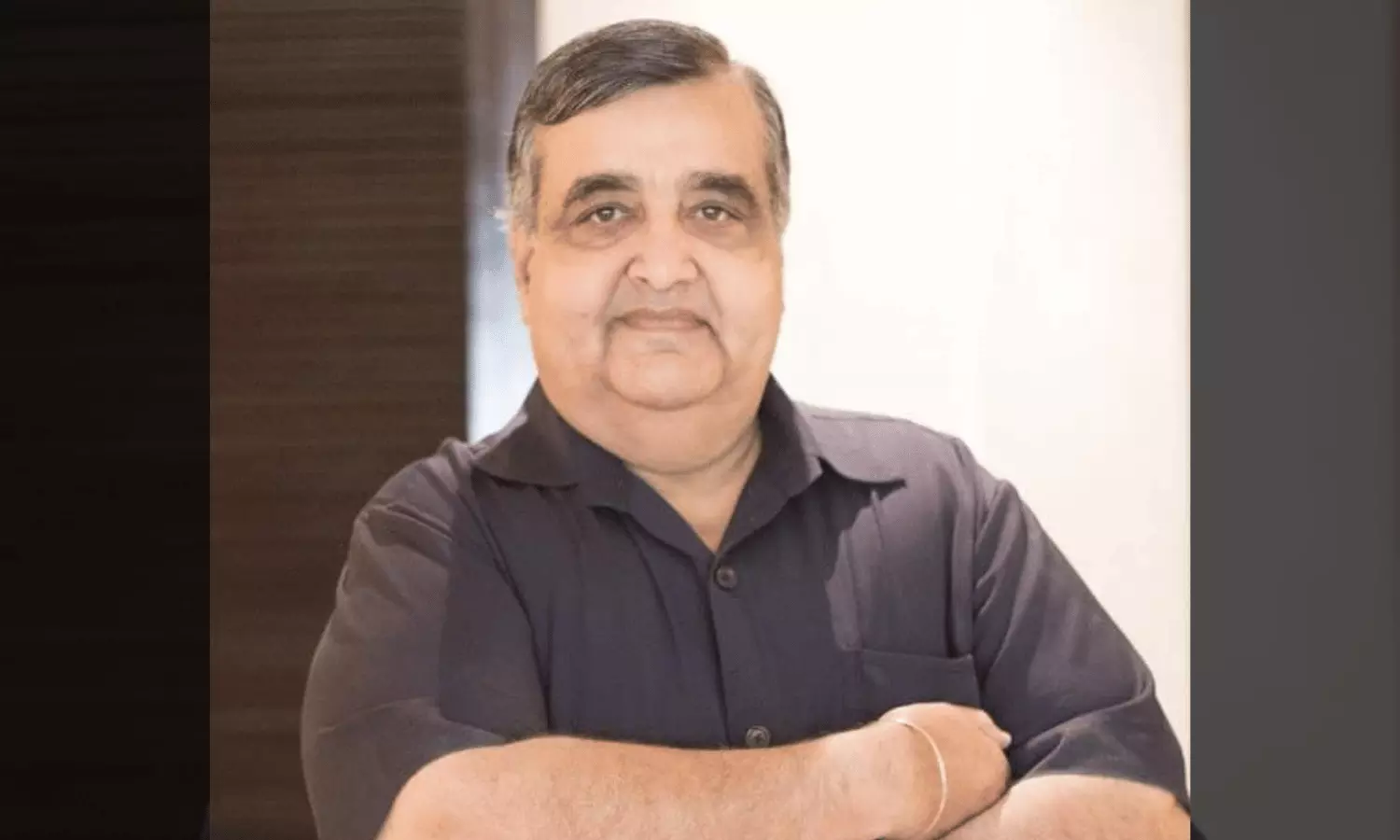
Instead of limiting consumption, if the government aggressively promotes India as a tourism destination, simplify visa norms, and provide incentives for MICE tourism, it could boost the industry’s forex earnings by 25 percent, says Rajiv Mehra, general secretary of Federation of Associations in Indian Tourism and Hospitality (FAITH).
How big is the travel industry and how many people are dependent on this industry for their livelihood? How can the curbs affect the industry and in turn the growth of the economy?
There are more than 5 crore people directly or indirectly linked with the tourism and travel industry, including ticketing agents and tour operators. With the announcement by the Prime Minister, there will be some effect. Maybe not a huge one, but profitability and margins will come down. Salary hikes may not happen and new recruitment will definitely slow down. Those recruited in the last few months may be asked to join later when conditions improve.
This will directly and indirectly hamper economic growth as the spending power of these 5 crore people declines. I anticipate at least a 10 percent impact when the spending capacity of those involved in the travel trade goes down.
We saw foreign tourist arrivals falling to multi-year lows during the pandemic. Have arrivals returned to pre-pandemic levels? If not, why?
Surprisingly, we are still short of pre-pandemic arrivals. We have not yet reached the March 2020 levels. The biggest reason is the complete lack of publicity abroad. Unless India promotes itself aggressively overseas, people are not going to come.
We need to make noise abroad and show our presence. Secondly, airfares to India from different parts of the world are expensive. For example, flying from London to Delhi is costlier than flying from London to Bangkok because of stronger demand on those routes.
Thirdly, hotel rates in India are quite high compared to neighbouring countries. These are some of the reasons we have not been able to recover fully.
During the current Middle East crisis, Southeast Asian countries have become favourite tourist destinations. Tell us more about the growth they are seeing and how they are managing it.
There are two aspects to this. One is foreign tourists avoiding India and going to places like Vietnam and Japan. The second is Indians themselves traveling to Vietnam.
I remember that in 2021, when Covid was ending, Vietnam started aggressive promotion in India. Today, there are around 14 direct flights from India to different cities in Vietnam and most of them are full. They have captured this market because the destination is affordable and the airfares are reasonable.
The key factor is publicity. India is not promoting itself enough internationally.
So are we missing this opportunity even during the West Asia crisis because we are not promoting ourselves enough globally? Don’t we have direct flights from important destinations?
Flights are available, but earlier many tourists from the UK and the US were using Middle East transit routes to come to India because they were cheaper. Now travelers are avoiding those routes.
Indian airlines are also forced to take longer routes because of the Pakistan airspace closure and tensions around Iran and the Middle East. This has become a major challenge.
What about Southeast Asian countries? How are they connected with Western nations during this crisis?
Southeast Asian countries are relatively unaffected for both inbound and outbound travel. People are avoiding Europe, the UK, and the US and instead opting for short holidays in Southeast Asia.
However, inbound traffic into India from places like Vietnam, Bali, or Singapore is still limited except for Buddhist tourism. This is also India’s lean season because of summer, but we can already see fewer travel queries coming in, which could hurt us later.
West Asia, especially Dubai, is a major destination for MICE travel. How big is that market and how can India benefit during the current crisis?
Destinations like Dubai and Bangkok offer incentives for MICE conventions, which India currently lacks. If Dubai loses conventions, they are shifting to Bangkok, Bali, or Malaysia because those governments provide incentives to organizers depending on the number of delegates they bring.
India has world-class infrastructure for MICE tourism, but we have failed to capitalize on it because of the lack of incentives and promotion.
What should the Government of India do to attract more conventions and meetings?
The government should provide incentives for organizers bringing conventions to India. It could be subsidies, sponsorships, or other support mechanisms. We already have the infrastructure and space. What we lack is publicity and incentives.
In the short term, how can India change its visa norms to attract more foreign tourists?
Currently, a 30-day visa cannot be applied for more than 30 days in advance. We have requested the government to extend this window to at least 60 days.
Countries like Malaysia, Thailand, Bali, and Sri Lanka have simplified visa forms and some even offer visa-on-arrival free of cost. India should simplify the process and make visas easier to obtain if we want to attract foreign tourists and earn forex immediately.
Why is visa-on-arrival not feasible for India?
India is a sensitive country from a security perspective. If someone applies at least 48 hours in advance, intelligence agencies can conduct background checks before granting a visa. Certain incidents in the past make security screening essential.
Tell us some ways to make tourists stay longer and spend more in India so that we can earn more forex.
The average stay of an American tourist in India is around 21 days, for Europeans about 14 days, and for tourists from the Far East around seven days.
Shopping can become a major attraction. We have repeatedly suggested GST refunds for foreign tourists, which is already practiced in many countries. In fact, the IGST law itself mentions that foreign tourists should receive GST refunds at departure, but it has not yet been implemented.
If tourists know they can get back the 18 percent GST they paid, they will definitely stay longer and spend more on shopping.
Medical travel is another area where India can earn significant forex. How can we promote medical tourism aggressively in the short term?
Indian embassies, especially in African and Central Asian countries, should actively promote India as a medical tourism destination. Hospitals, the Ministry of Tourism, and Indian embassies should jointly market India as an affordable healthcare hub where treatment is available immediately and recovery support is strong.
If we do this effectively, medical tourism can grow rapidly.
Lastly, what is the contribution of the industry toward foreign exchange earnings? In your opinion, how much more forex can India earn if the government takes urgent measures?
If the Government of India immediately starts roadshows and tourism promotion abroad, I am confident that even during these summer months we can earn at least 25 percent more foreign exchange compared to the same period last year in April, May, and June.
But for that, we must simplify visas and actively attract tourists. Indian embassies, high commissions, and the Ministry of Tourism should go abroad and promote India as a safe destination.
Even in the MICE segment, the government can announce incentives such as simplified visa rules and subsidies for conference organizers. The results would be visible immediately.
