RBI Proposes To Lock Loan Financed Phones In case Of Default

Borrowers must first receive a notice after 60 days past due, with 21 days to repay, followed by a second notice allowing at least another week: RBI
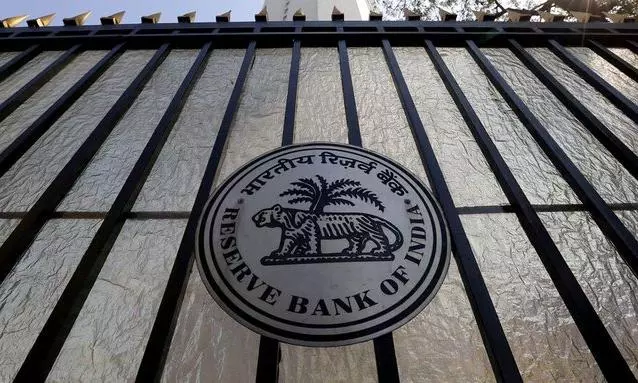
MUMBAI: India's central bank on Wednesday proposed allowing lenders to remotely disable functions of a mobile phone or tablet bought on credit in cases of default by a borrower, albeit with certain terms and conditions.
In its Draft Reserve Bank of India (Commercial Banks - Responsible Business Conduct) Amendment Directions, 2026 released on Wednesday that may come into effect from October 1, 2026, the RBI said that restrictions on functions of the devices can be imposed by lenders only when a loan becomes overdue for 90 days, following a staged notice process.
Borrowers must first receive a notice after 60 days past due, with 21 days to repay, followed by a second notice allowing at least another week, RBI said.
Lenders can impose these restrictions only if they have sought consent from customers in loan contracts.
“A bank shall not deploy any technology-based mechanism which restricts or disables any of the functionalities of a mobile device of a borrower such as mobile phone, tablet, etc., as a recovery tool, except to recover its loan dues arising out from financing of such a device.”
Essential services such as internet access, incoming calls, emergency SOS features and government alerts cannot be blocked. Also, restrictions must be reversed within one hour of repayment, failing which customers would be liable to an hourly Rs 250 compensation.
The draft norms also bar lenders from accessing personal data on locked phones.
“Banks will also be prohibited from obtaining data stored in the borrower's cell phone in order to undertake loan recovery under these norms,” said RBI.
The norms further state that bank employees and recovery agents are permitted to visit a borrower or guarantor only between the timings of 8 a.m.-7 p.m. Bank employees and recovery agents also cannot use threatening or abusive language. Intimidating, harassing or humiliating the borrower or guarantor as well as their relatives will not be acceptable.
This is the second draft norms issued by the RBI after receiving industry feedback on its first draft issued in February.
The objective is to curb coercive recovery tactics used by recovery agents, tighten the rules on how banks recover loans from borrowers and use recovery agents, fair treatment of borrowers, due diligence, training, and a uniform code of conduct for the loan recovery process. The draft norms are open for public comments until May 31.
Currently, over one-third of consumer electronics, including mobile phones, are purchased on small-ticket loans in India. A 2024 study by Home Credit Finance showed this trend is significant. There are more than 1.16 billion mobile connections in India.
