RBI Roll Backs Some Restrictions On Rupee Trade

"The relaxation in cancellation and rebooking with related parties would have created problems for foreign banks head offices hedging INR related risk of trades done with overseas clients with Indian branches": Reports
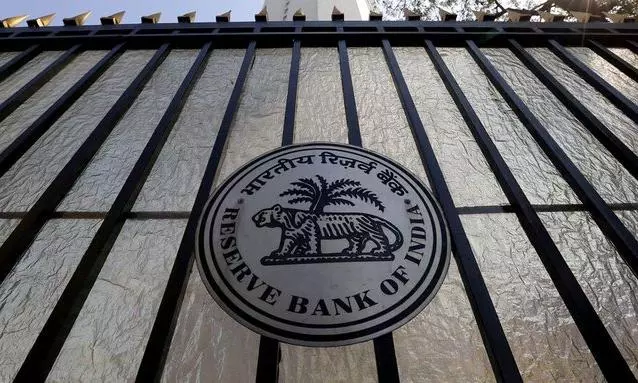
MUMBAI: The Reserve Bank of India (RBI) on Monday partially rolled back its directives taken earlier this month to curb excessive speculation in rupee.
In a notification, the central bank withdrew two key restrictions. First, it has allowed authorised dealers including banks and financial institutions, to once again offer non-deliverable forwards (NDFs) to both Indian residents and overseas users. Secondly, it has also removed the ban on users rebooking foreign exchange derivative contracts that were cancelled after April 1.
However, authorised dealers still cannot enter into rupee-related foreign exchange derivative contracts with their related parties. The only exceptions are cancelling or rolling over contracts that already exist, and transactions done with unrelated non-resident users on a back-to-back basis.
These measures were introduced as the rupee breached 95 per dollar mark for the first time in late March due to a combination of rising crude oil prices, persistent geopolitical tensions, foreign investor outflows, and a strong dollar demand globally. The currency has recovered more than 2 per cent after the first set of measures were announced on March 27.
According to Abhishek Goenka, founder IFA Global, the RBI restriction on cancellation and rebooking against the same underlying exposure had created difficulties for those with genuine reasons, for instance a delay in payment/receipt.
It would have also been operationally difficult for banks to track and establish whether the same underlying was being used to rebook. They would have had to rely on undertaking from clients. The perception that such moves could be perceived as regressive.
"The relaxation in cancellation and rebooking with related parties would have created problems for foreign banks head offices hedging INR related risk of trades done with overseas clients with Indian branches."
Meanwhile, the Indian rupee weakened 20 paise at 93.10 for the day after two sessions of gains due to a sharp rise in oil prices. Brent crude surged over 5 per cent to near $95 per barrel.
The move follows renewed tensions around the Strait of Hormuz, raising concerns over potential supply disruptions. The spike in crude has intensified global inflation worries, prompting a reassessment of interest rate expectations and pushing US Treasury yields higher.
Amid this backdrop, the US Dollar Index is trading around 98.25, broadly unchanged from last week’s close but maintaining an upward bias.
Safe-haven demand for the dollar has strengthened as market participants react to geopolitical uncertainty and rising inflation risks, keeping the greenback well supported.
