Rupee Falls 30 Paise to 95.94 Against US Dollar in Early Trade

15 May 2026 10:11 AM IST15 May 2026 10:11 AM IST
Foreign Institutional Investors turned net buyers purchasing equities worth Rs 187.46 crore on Thursday, according to exchange data.
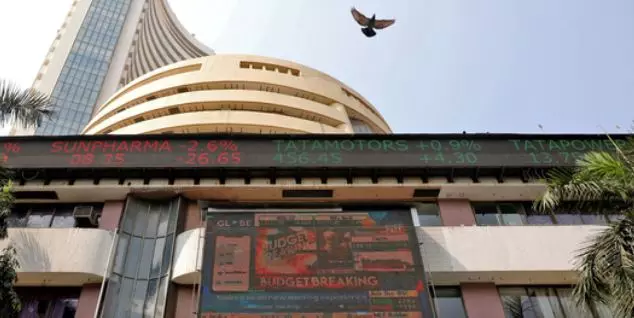
The rupee weakened to a fresh record low of 95.96 before closing with a marginal gain of 2 paise at 95.64 against the US dollar on Thursday.
Mumbai: The Indian rupee hovered to an all time low at 96.14 against the US
dollar on Friday before settling at 95.96 for the day as oil prices
neared $110 per barrel raising investor anxiety over India’s rising
import bill, worsening inflation trajectory, and leading to a
potential slowdown in economic growth. Comments from US
President Donald Trump that he is still strongly considering resuming
attacks on Iran also dampened risk sentiment.
Since April 2025, the rupee has weakened sharply from Rs 85.51 to
96.15 marking a 12.44 per cent depreciation placing it among the
weakest global performers and prompting questions about how much
further the rupee might slide.
“There is incessant pressure on the rupee with absolutely no
respite.The only thing holding is RBI supply. If they stepoff, the
USD-INR will fly” said Abhishek Goenka, founder, IFA Global.
Calls for more measures to target forex drain are getting louder with
suggestions including a reduction in withholding taxes rate for
foreign portfolio investors (FPI) investment in domestic bonds to
attract foreign investment, curbs on electronic exports and foreign
travel, Liberalised Remittance Scheme norms among others.
According to Soumya Kanti Ghosh, group chief economic adviser, State
Bank of India, there is a need for a comprehensive policy on Balance
of Payments. “The rupee has already approached a critical depreciation
threshold, beyond which further currency weakness could substantially
erode the intended benefits of domestic fuel price revisions.
Global markets research firm Nomura expects more policy announcements
in the coming weeks and months following Prime Minister Narendra
Modi’s recent appeal to conserve energy and foreign exchange. These
could include tighter rules under the Liberalized Remittance Scheme
(LRS), which currently allows residents to freely remit up to $
250,000 abroad annually and a diaspora bond to mobilise foreign
currency deposits.
On Friday, India’s April trade deficit came at $ 28.4 billion, higher
than $ 20.7 bn in March. For April 2026, WPI-based inflation came at a
shocking 8.3 per cent. Rising WPI inflation means higher input costs
for industry. This puts pressure on the margins of companies. Faced
with significant rise in input costs, companies will start passing the
same to end-consumers (WPI to CPI transmission) to avoid excessive
pressure margins
Says Pravesh Gour, senior technical analyst at Swastika Investmart
Ltd, “Higher crude oil prices are increasing India’s import costs,
while strong US interest rates and foreign fund outflows are putting
additional pressure on emerging market currencies, including the
rupee. A weaker rupee can increase inflationary pressure in India
because imports such as fuel, electronics, and industrial raw
materials become more expensive.”
“Going ahead, market sentiment will largely depend on crude oil
prices, global geopolitical developments, foreign investor activity,
and the Reserve Bank of India’s measures to manage currency
volatility,” added Gour.
Already, significant steps have been taken by the government to
contain gold imports, with the import duty on gold and silver
raised from 6 per cent to 15 percent effective May 13. Import duty on
platinum has been raised from 6.4 per cent to 15.4 per cent. The
government has also tightened compliance norms for gold imports under
the advance authorization scheme, introducing stricter quantity caps,
physical verification requirements and periodic reporting obligations
amid heightened scrutiny of bullion imports.
The government has also hiked retail fuel price by Rs 3 per litre in
order to reduce the losses incurred by the oil marketing companies
(OMC) owing to unchanged fuel prices amidst rising Brent Crude
price.This increase is likely to provide relief of Rs 52,700 crore in
OMCs under recoveries, which is 15 per cent of their expected total
loss in FY27 said Ghosh.
At the interbank foreign exchange, the rupee opened at 95.86, then
lost ground and fell to a record low of 96.14 in intraday trade,
registering a fall of 50 paise from its previous close. The rupee
closed at a fresh record low of 95.96 compared to previous close of
95.75, down 21 paise.
Meanwhile, the dollar index, which gauges the greenback's strength
against a basket of six currencies, was trading at 99.28, higher by
0.47 per cent.
neared $110 per barrel raising investor anxiety over India’s rising
import bill, worsening inflation trajectory, and leading to a
potential slowdown in economic growth. Comments from US
President Donald Trump that he is still strongly considering resuming
attacks on Iran also dampened risk sentiment.
Since April 2025, the rupee has weakened sharply from Rs 85.51 to
96.15 marking a 12.44 per cent depreciation placing it among the
weakest global performers and prompting questions about how much
further the rupee might slide.
“There is incessant pressure on the rupee with absolutely no
respite.The only thing holding is RBI supply. If they stepoff, the
USD-INR will fly” said Abhishek Goenka, founder, IFA Global.
Calls for more measures to target forex drain are getting louder with
suggestions including a reduction in withholding taxes rate for
foreign portfolio investors (FPI) investment in domestic bonds to
attract foreign investment, curbs on electronic exports and foreign
travel, Liberalised Remittance Scheme norms among others.
According to Soumya Kanti Ghosh, group chief economic adviser, State
Bank of India, there is a need for a comprehensive policy on Balance
of Payments. “The rupee has already approached a critical depreciation
threshold, beyond which further currency weakness could substantially
erode the intended benefits of domestic fuel price revisions.
Global markets research firm Nomura expects more policy announcements
in the coming weeks and months following Prime Minister Narendra
Modi’s recent appeal to conserve energy and foreign exchange. These
could include tighter rules under the Liberalized Remittance Scheme
(LRS), which currently allows residents to freely remit up to $
250,000 abroad annually and a diaspora bond to mobilise foreign
currency deposits.
On Friday, India’s April trade deficit came at $ 28.4 billion, higher
than $ 20.7 bn in March. For April 2026, WPI-based inflation came at a
shocking 8.3 per cent. Rising WPI inflation means higher input costs
for industry. This puts pressure on the margins of companies. Faced
with significant rise in input costs, companies will start passing the
same to end-consumers (WPI to CPI transmission) to avoid excessive
pressure margins
Says Pravesh Gour, senior technical analyst at Swastika Investmart
Ltd, “Higher crude oil prices are increasing India’s import costs,
while strong US interest rates and foreign fund outflows are putting
additional pressure on emerging market currencies, including the
rupee. A weaker rupee can increase inflationary pressure in India
because imports such as fuel, electronics, and industrial raw
materials become more expensive.”
“Going ahead, market sentiment will largely depend on crude oil
prices, global geopolitical developments, foreign investor activity,
and the Reserve Bank of India’s measures to manage currency
volatility,” added Gour.
Already, significant steps have been taken by the government to
contain gold imports, with the import duty on gold and silver
raised from 6 per cent to 15 percent effective May 13. Import duty on
platinum has been raised from 6.4 per cent to 15.4 per cent. The
government has also tightened compliance norms for gold imports under
the advance authorization scheme, introducing stricter quantity caps,
physical verification requirements and periodic reporting obligations
amid heightened scrutiny of bullion imports.
The government has also hiked retail fuel price by Rs 3 per litre in
order to reduce the losses incurred by the oil marketing companies
(OMC) owing to unchanged fuel prices amidst rising Brent Crude
price.This increase is likely to provide relief of Rs 52,700 crore in
OMCs under recoveries, which is 15 per cent of their expected total
loss in FY27 said Ghosh.
At the interbank foreign exchange, the rupee opened at 95.86, then
lost ground and fell to a record low of 96.14 in intraday trade,
registering a fall of 50 paise from its previous close. The rupee
closed at a fresh record low of 95.96 compared to previous close of
95.75, down 21 paise.
Meanwhile, the dollar index, which gauges the greenback's strength
against a basket of six currencies, was trading at 99.28, higher by
0.47 per cent.
( Source : Deccan Chronicle )

Next Story