Tesla Promotes Six-Seater Model YL in India to Boost Weak Sales

The Tesla Model YL, with a claimed longer driving range of 681 kilometers, is priced Rs 61.99 lakh at the Mumbai showroom.
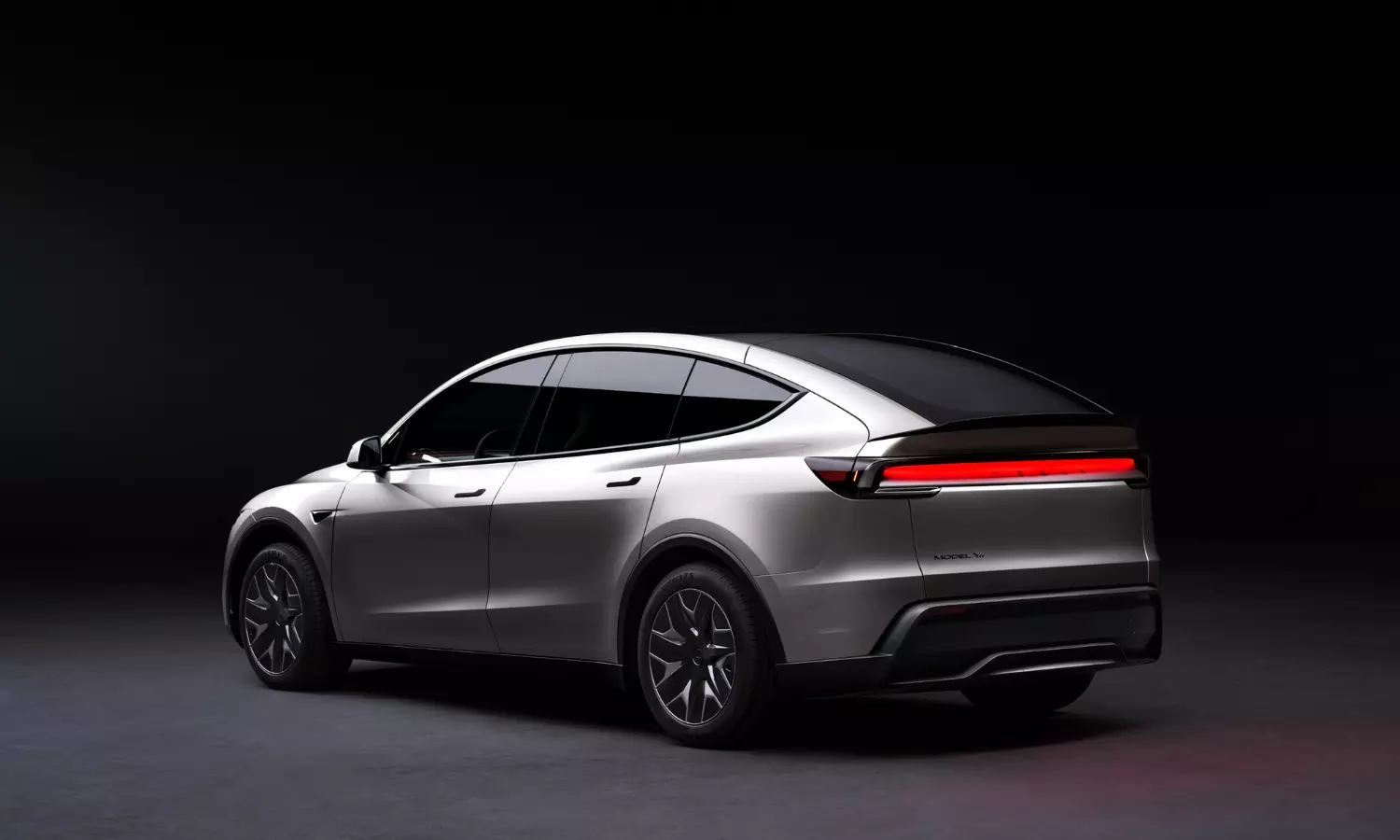
Pune: Tesla, the American electric car giant, on Wednesday introduced a new long-wheelbase six-seater version of its best-selling Model Y SUV to try to woo buyers in the world's third-largest car market where it has struggled to grow sales.
The Tesla Model YL, with a claimed longer driving range of 681 kilometers, is priced Rs 61.99 lakh at the Mumbai showroom.
Tesla sold just 350 Model Ys in India since starting deliveries in September, with rivals such as BYD, Mercedes-Benz, and BMW far outselling the US automaker over the same period.
The new Model YL is not just an update, but a more practical and family-oriented evolution of Tesla’s best-selling electric SUV, offering more space, more range, and enhanced comfort.
Sharad Agarwal, Tesla's India General Manager, said deliveries of the six-seater Model YL will begin in June 2026 across India.
The imported Model Y attracts a steep 100 per cent import tariff, a level that chief Elon Musk has often criticized, meaning Tesla's cars are priced much higher in India than in other markets.
Tesla is trying to tap a wider customer base as Indian buyers, especially families, increasingly turn to larger, premium vehicles equipped with touchscreen displays and sunroofs.
This shift has helped propel demand for three-row SUVs in the country, a segment currently dominated by Toyota Motor and Suzuki Motor.
Isabel Fan, a senior director at Tesla, told reporters in Mumbai, where the electric SUV was launched, that the company has mass-market models and it wants to increase accessibility.
"We continue to work on affordability," she said.
Tesla is developing a smaller, cheaper SUV after scrapping a highly anticipated low-cost EV project in 2024 to focus on robotaxis and humanoid robots, Reuters reported this month.
While the carmaker is aiming for full self-driving autonomy for all its models, there is a realization that many global markets, including India, will not see meaningful adoption – nor regulatory acceptance – of driverless vehicles for years.
Electric vehicles made up less than 5 per cent of total car sales in India last year, with local players including Tata Motors and Mahindra dominating EV segment.
