More Than Collaborators: Tanvi Singh Bhatia on IBTIDA Artists

Tanvi Singh Bhatia on building IBTIDA as an intimate cultural movement that bridges tradition, storytelling, and sensory experience in modern India.
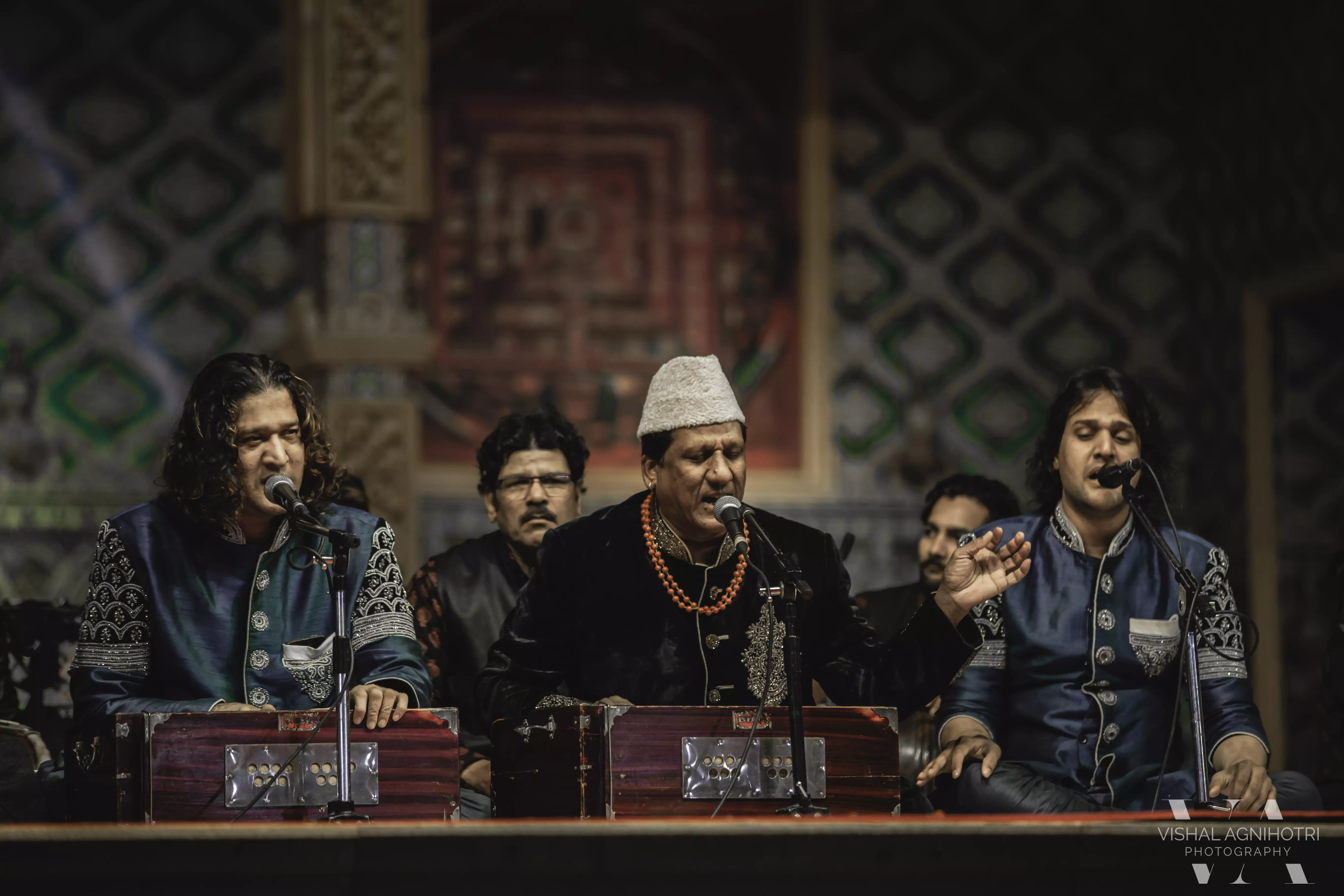
With IBTIDA – Ek Mehfil, co-founder and curator, Tanvi Singh Bhatia, is reimagining the traditional mehfil as an immersive, multi-sensory cultural language rooted in depth and authenticity. From QISSA to ARCHIVAL Season 3, she speaks about creating spaces where audiences don’t just watch—but belong, feel, and participate.
Tanvi Singh Bhatia
IBTIDA reimagines the mehfil as a “living cultural language”. What does that look like in practice today?
From the very onset, IBTIDA was envisioned as a movement—one that seeks to redefine, revive, and restore culture.
Over the years, through various seasons, we’ve explored this across multiple lenses, conversations, music and immersive cultural experiences. Each season has been shaped by both instinct and observation - some born out of pure emotion, others from gaps we recognized within the industry. There was a clear yearning for something more intimate, more meaningful - spaces where people could truly feel, not just attend.
This journey has been built through many such defining moments, each one leading us to where we are today.
IBTIDA is not just a series of experiences - it is a cultural movement. One that is constantly trying to represent India in its truest, most honest form with music, textile, food and monuments and celebrating the India Story. The mehfil remains only one aspect of our eco system.
In a world driven by trends, how do you stay committed to depth and tradition without feeling the pressure to modernise?
At IBTIDA, it will always be depth over scale. Intimacy over grandeur of large sets; even after 7 years we try to keep the sanity of our values & beliefs from when we started.
When the idea of IBTIDA was conceived, it came from a desire to move away from a culture of overconsumption. We live in a time of constant stimulationwhere attention spans are shrinking and everything is available, all at once. In that noise, we felt something essential was being lost.
Our IP was built as a response to that. It is about slowing down. About pausing. About returning to moments we’ve forgotten how to notice.
At the same time, there is a deep responsibility we feel towards preserving the India Story/classical art forms/. Forgotten cuisines and monuments. We often say this that we might be the last generation that has direct access to this depth of knowledge, to these living legends. And if we don’t create spaces where this is experienced, understood and valued, it risks fading away, so we never feel the need to modernise or feel obligated.
So IBTIDA becomes a bridge. Between generations. Between past and present. Between art and audience. We want to stay committed to that thought & belief & want to expand it deeper
How do you design intimacy at scale while expanding IBTIDA across cities & audiences?
Intimacy & Closeness is the core of IBTIDA, when we started the whole idea was moving aways from larger formats, spectacles and over the years we managed to create that.
IBTIDA has always believed in depth over scale & will continue to do so.
And that’s why intimacy is central to who we are. By moving away from scale and spectacle, and choosing closeness instead, we create room for something far more lasting - connection, understanding and memory.
We consciously choose locations that carry history within them such as old havelis, textile stores, dilapidated millsbecause these spaces already hold stories which creates scale but maintains the sanity of the core.
Growth, for us, has never been about scale alone. It’s been about building with intention and nurturing the community, being mindful of the partners we bring in and shaping every element that contributes to what a cultural IP should stand for.
That’s what has allowed us to grow to cities & new audiences while still feeling rooted - expanding, yet remaining deeply aligned with who we are. The journey has taken its course and time but its with honest intent & maintaining the brand value.
With Archival - Season 3 & Qissa what new story telling layers are you exploring with the mehfil format
A conventional performance typically establishes a clear boundary between the stage and the audience, separating the performer from the observer. QISSA removes that line entirely.
India holds one of the world's oldest storytelling traditions. These were never intended to be merely watched; they were meant to be inhabited. In QISSA, the story surrounds you. The narrator does not perform at the audience but rather transports them. Due to the intimacy of the space and the lack of physical distance - complemented by the sensory elements of fragrance, food and light - you transition from being an audience member to a participant. This immersion allows you to experience unexpected emotions, which is what distinguishes this format.
How do collaborations with artists like Vishal Bhardwaj or Rekha Bhardwaj shape the emotional & cultural narrative of each experience?
IBTIDA & artists' relationship goes beyond the stage at the IBTIDA house. Our collaboration with them is on a much deeper level. You may hear the same artist in multiple spaces, but when they step into an IBTIDA evening, something shifts. The energy is different. It’s more open, more vulnerable, more honest. They’re not just performing - they’re expressing, conversing, and often revealing parts of themselves that don’t emerge in larger, more conventional formats. The emotional quotient you see at IBTIDA is very different & hard to explain- Says Tanvi Singh Bhatia who has a deep and personal relationship most of artist who embrace us
What we share with our artists goes far beyond a stage or a performance. At IBTIDA, the relationship isn’t transactional- it’s deeply personal and rooted in trust, time and emotional exchange.
There’s a certain stillness and intimacy that allows their thought process to slow down, their storytelling to deepen, and their emotional connection with the audience to become far more profound. It’s not just about what they present, but how they feel while presenting it.
Because of this, our relationship with artists extends well beyond the moment they’re on stage. It’s built through dialogue, mutual respect, and a shared intention to create something meaningful. They’re not just collaborators for an evening - they become part of the larger cultural narrative we’re trying to shape.
Beyond performances, IBTIDA blends music, food, textile and fragrance - how do you curate these elements into one cohesive story?
Our multi-sensory experience is really about evoking a deeper sense of pride in Indiathrough food, textiles, music and the overall ambience. Every element is designed to transport you, to take you back in time while still feeling relevant in the present. There is a story & concept to each experience.
A big part of this is the people we work with. The artists and artisans who come together to build each experience are central to it. We consciously try to create formats that not only celebrate their craft but also generate meaningful work and opportunity for them. It’s as much about sustaining an ecosystem as it is about presenting an evening.
All of these elements together - the discipline, the community, the shared respect - are what truly build the ecosystem of IBTIDA
It was convincing people early on that this was serious. That culture could be built as a business without compromising its soul. That an audience existed - a real, deeply invested audience who wanted depth over entertainment.
We knew it. Proving it to the outside world took time & it’s been 7 years for us.
