Ladakh Gets 5 New Districts in Landmark Administrative Move

This major restructuring raises the total number of districts in Ladakh from two to seven, marking one of the most significant governance reforms since Ladakh became a Union Territory in 2019
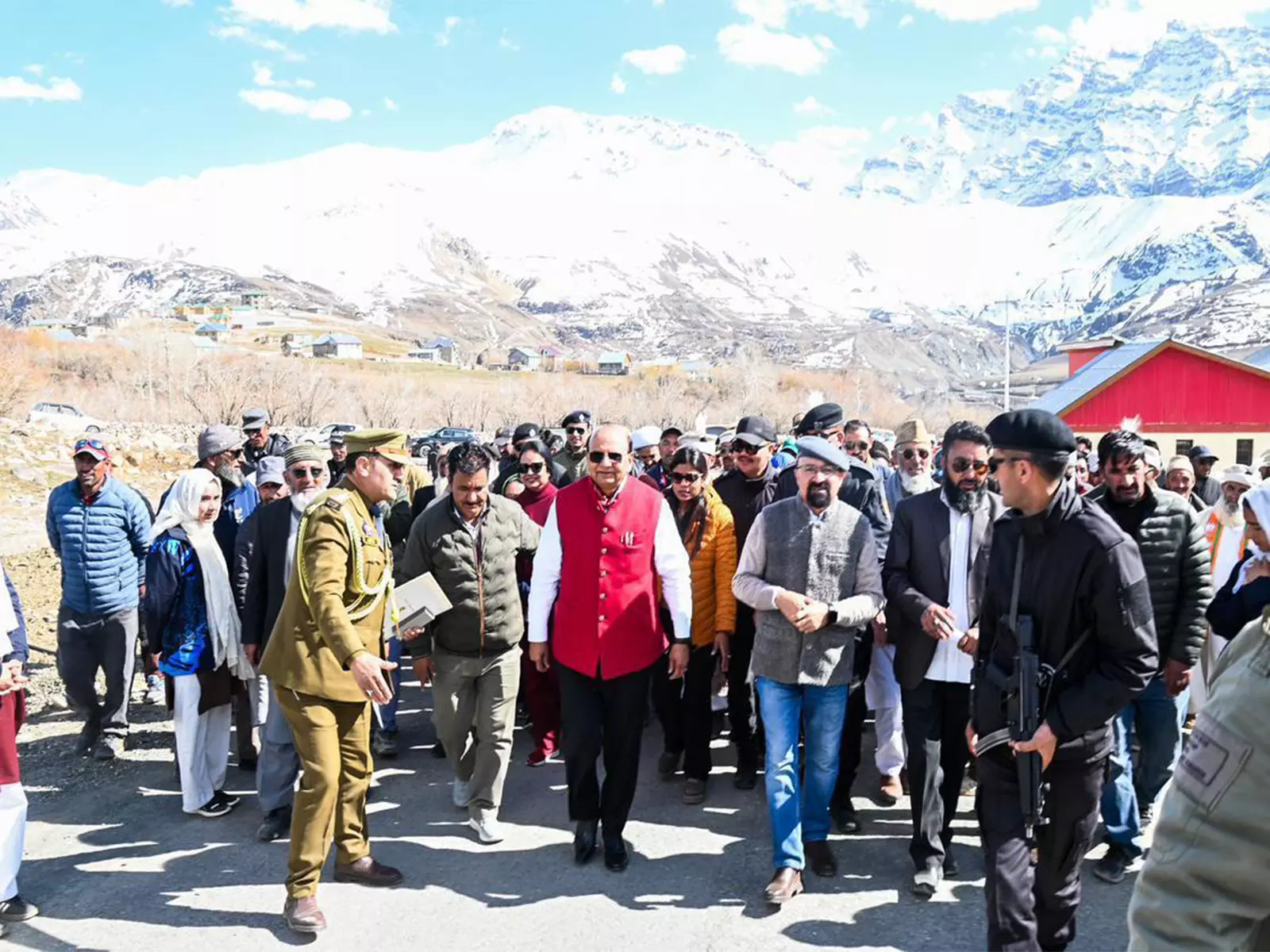
SRINAGAR: In a landmark development that reshapes the administrative landscape of Ladakh, the Union Territory administration has officially notified the creation of five new districts—Nubra, Sham, Changthang, Zanskar and Drass. This major restructuring raises the total number of districts in Ladakh from two to seven, marking one of the most significant governance reforms since Ladakh became a Union Territory in 2019.
The announcement, made ahead of the Union Home Minister Amit Shah’s visit to the landlocked Himalayan region, was described by the Lieutenant Governor of Ladakh, Vinai Kumar Saxena, as a “historic day” and a long-awaited fulfilment of the aspirations of the people. He noted that the Ministry of Home Affairs had granted approval for the new districts in August 2024, following extensive consultations and field assessments conducted by a dedicated committee.
According to the Lt. Governor, the creation of these districts is a transformative step aimed at strengthening grassroots governance, decentralising administrative structures and ensuring faster, more efficient delivery of public services. Ladakh’s vast geography, harsh terrain and widely dispersed population have long posed challenges for residents, many of whom travel more than 300 kilometres to access essential services. The new districts are expected to significantly reduce these distances and bring governance closer to remote communities.
Three of the newly formed districts—Nubra (headquartered at Diskit), Sham (headquartered at Khaltse) and Changthang (headquartered at Nyoma)—have been carved out of the existing Leh district. The remaining two—Zanskar (headquartered at Padum) and Drass (headquartered at Drass-Ranbirpura)—have been carved out of Kargil district. With the reorganisation, Leh district will now comprise 44 revenue villages, Nubra 30, Changthang 24, Kargil 80, Sham 27, Zanskar 26 and Drass 19.
Saxena emphasised that this decision aligns with the broader vision of fostering a more developed and prosperous Ladakh. He highlighted that the new administrative units will not only improve service delivery but also open avenues for employment, entrepreneurship and infrastructure development. Establishing district headquarters, administrative offices and support systems is expected to generate substantial local employment and stimulate economic activity across the region.
Calling the move a catalyst for inclusive growth, the Lt. Governor reaffirmed the administration’s commitment to ensuring that the benefits of this restructuring reach every citizen. He expressed confidence that the creation of new districts will usher in a new era of balanced, sustainable and people-centric development, strengthening Ladakh’s governance framework for years to come.
