Fuel Prices Hiked For 4th Time In 2 Weeks

Cumulative hike nears ₹7.5/litre since May 15
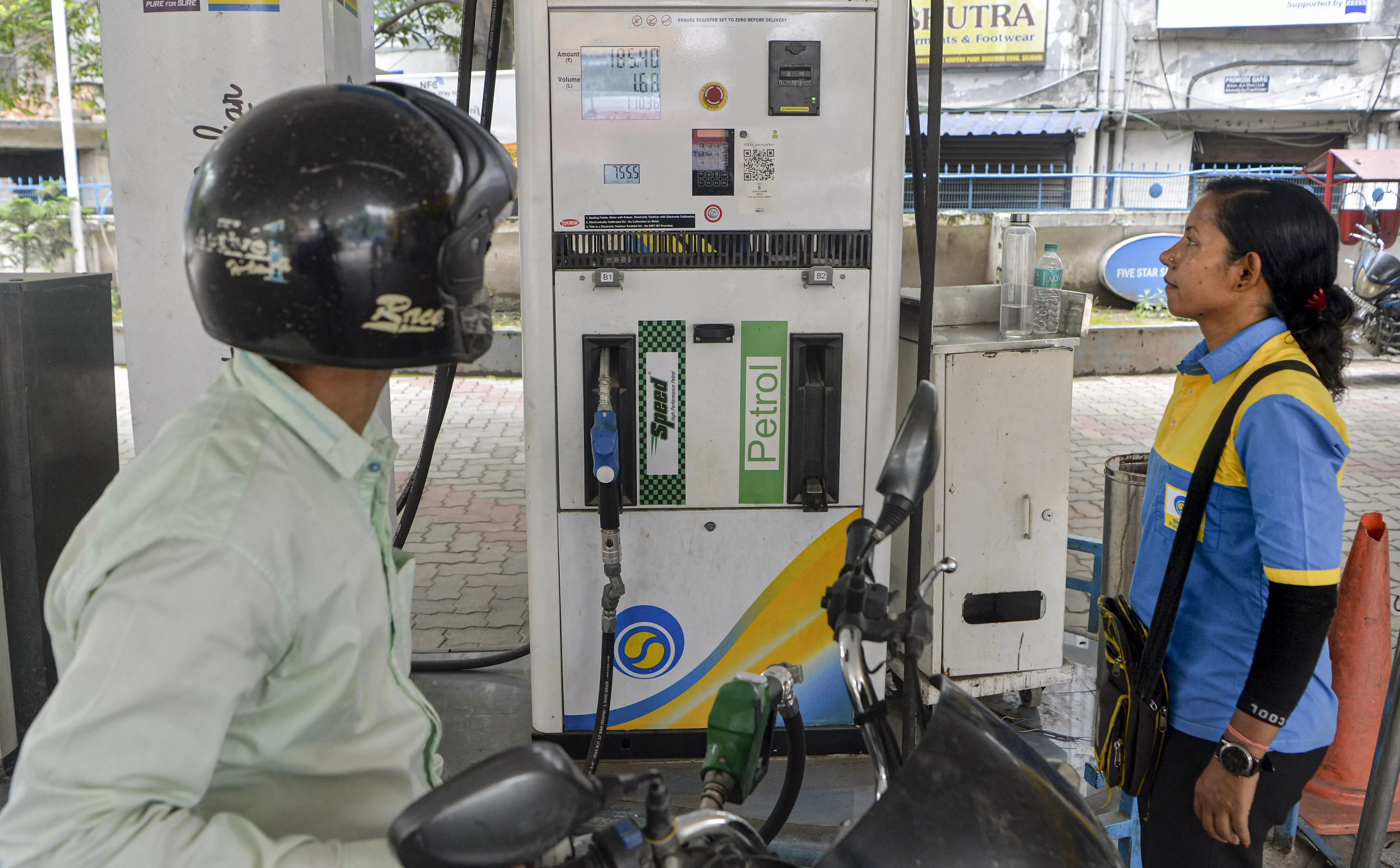
New Delhi: Fuel prices rose again on Monday for the fourth time in less than a fortnight, as petrol and diesel prices increased in line with expert expectations. With the hike, petrol became costlier by Rs 2.61 per litre and diesel by Rs 2.71 per litre. The latest surge in fuel prices is expected to add further pressure on household budgets and transportation costs for the common man in the country, as consumers continue to suffer rising fuel expenses amid fluctuations in global energy markets.
After this hike, Opposition members are up in arms against the government's move, which claims state-run oil companies need to recover losses incurred after keeping rates unchanged despite increasing global crude oil prices. Following the latest revision, cumulative increases in petrol and diesel prices have neared Rs 7.5 per litre since fuel price adjustments resumed on May 15 after an extended freeze, according to industry sources.
The fuel prices have now reached their highest levels since May 2022 after remaining largely frozen for more than two years, barring a Rs 2-per-litre cut in March 2024 ahead of national elections. The sources, however, revealed that in Delhi, petrol prices rose by Rs 2.61 per litre to Rs 102.12 from Rs 99.51, while diesel rates increased by Rs 2.71 to Rs 95.20 per litre from Rs 92.49.
“Similarly, the proportionate hike in petrol and diesel prices are seen in other parts of the country, depending on their state-level taxes. Apart from Delhi, petrol in Mumbai was priced at Rs 111.21 per litre and diesel at Rs 97.83, while Kolkata rates rose to Rs 113.51 and Rs 99.82, respectively. In Chennai, petrol costs Rs 107.77 and diesel Rs 99.55 per litre. Private fuel retailers also moved prices higher alongside state-owned firms,” the sources said.
Analysts have earlier cautioned that the government’s repeated move on fuel prices hike could raise transportation and logistics expenses, eventually leading to an increase in the prices of essential commodities and food products. However, the government functionaries including Union ministers and other senior officials have defended the fuel price hike move, citing the fallout of the geopolitical situation like the West Asia conflicts and global energy crisis.
Reacting to the Opposition’s remark of the fuel price hike, Union finance minister Nirmala Sitharaman said that the crisis in West Asia is not just a geopolitical issue, but it will lead to higher fuel costs for the common people. “The West Asia crisis is not only a diplomatic or geopolitical issue. For businesses and common people, it can mean higher fuel cost, delayed cargo, costlier shipping, shortage of inputs, pressure on working capital and uncertainty in export orders,” the finance minister said.
With this hike, senior officials, however, acknowledged that the losses of oil marketing companies have been reduced significantly due to the hike in fuel prices. “A total of about Rs 7.5 per litre-hike in the four rounds of petrol and diesel price, have trimmed the losses state-owned oil firms were incurring from selling fuel below cost to close to Rs 600 crore per day. The losses on sale of petrol, diesel and domestic cooking gas LPG were about Rs 1,000 crore per day before the start of the May 15 cycle of price revision. The losses are slightly less than Rs 600 crore per day,” said Sujata Sharma, joint secretary in the ministry of petroleum and natural gas.
Defending the oil price-hike move, Sushma Rawat, ONGC director (exploration), also said that crude oil prices have remained highly volatile due to uncertainty surrounding the situation. “Whenever there is an announcement of a peace accord, crude prices begin to fall. But when it becomes clear that there is no immediate resolution, prices rise again,” Rawat told the media, adding that India has so far managed to protect consumers from the complete impact of rising global energy prices despite continued volatility in international crude markets.
Industry officials said the latest revisions appeared calibrated to partially ease pressure on oil companies without triggering a sharp inflation shock, though they acknowledged the increases would add to price pressures. "Despite the latest hike in retail prices of auto fuels, oil marketing companies' under-recoveries remain stubbornly high due to increasing losses in domestic LPG sales and a high premium to the crude market," said Prashant Vasisht, senior vice president and Co-Group Head, Corporate Ratings, ICRA Ltd.
Such an abrupt hike in fuel prices came as global oil prices fell sharply amid tentative hopes for a deal to end the US-Israel war on Iran. Brent crude, the primary benchmark for global oil prices, fell more than 5 per cent after the US and Iran agreed in principle to reopen the Strait of Hormuz. The global crude oil prices had surged more than 50 per cent since late February following US-Israeli strikes on Iran and disruptions to shipping through the Strait of Hormuz, a key global oil transit route.