Govt Pushes Transgender Bill, Opp Demands Review

24 March 2026 8:00 PM IST24 March 2026 8:00 PM IST
District magistrates will issue identity cards to transgender persons, he said
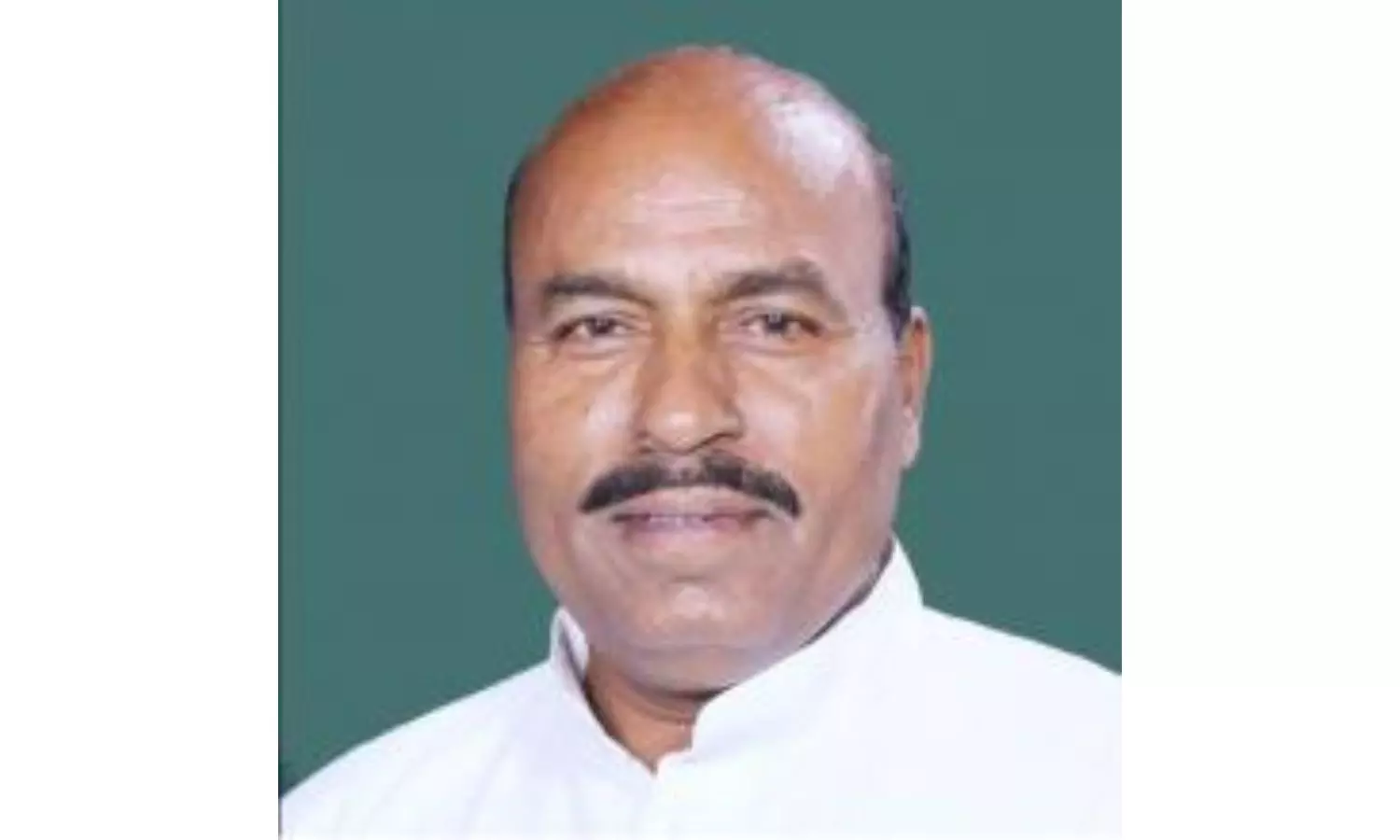
Social Justice and Empowerment minister Virendra Kumar — Internet
Transgender Bill: What’s New
- Clear definition of “transgender”
- Medical board for identity verification
- ID cards issued by District Magistrate
- Punishment up to 14 years (earlier 2 years)
Applicant → Medical Board → District Magistrate → ID Card
Self-ID vs verification
Who decides identity?
- Individual?
- Medical board?
What’s the debate?
Centre says it provides clarity, protection, benefits.
Opposition says it limits self-identification, No consultation and is intrusive process.
Definition Focus
- Kinner
- Hijra
- Aravani
- Jogta
- Intersex persons
New Delhi: The Lok Sabha on Tuesday evening passed the Transgender Persons (Protection of Rights) Amendment Bill, 2026, by voice vote, despite opposition from several parties, including the Congress, NCP (SP), Samajwadi Party, RJD, Trinamul Congress, DMK and Shiv Sena (UBT). Amendments moved by opposition members were also rejected by voice vote.
The government said the objective of the Bill is to provide protection and benefits to transgender persons. However, the Opposition alleged that the legislation undermines the right to self-determination of identity and demanded that it be referred to a Parliamentary Standing Committee for wider consultations.
Moving the Bill, Union minister for social justice and empowerment Virendra Kumar said it seeks to ensure that transgender persons can access the benefits of the law through a clearer definition. He said the Bill provides for the establishment of a medical board and empowers District Magistrates to issue identity cards. The amendment also increases the maximum punishment from two years under the 2019 law to 14 years’ imprisonment, along with penalties.
The Bill proposes to define “transgender” more precisely and excludes “different sexual orientations and self-perceived sexual identities” from its ambit. It introduces graded punishments for offences based on the severity of harm and the vulnerability of victims, particularly children.
It also provides for the designation of an “authority”, defined as a medical board headed by a chief medical officer or deputy chief medical officer, to seek expert advice where required. The Bill further clarifies that transgender persons include socio-cultural identities such as kinner, hijra, aravani and jogta, as well as persons with intersex variations or congenital differences in sex characteristics.
The government said the amendments aim to remove ambiguities that have arisen during the implementation of the 2019 law and to ensure that benefits reach the intended beneficiaries.
Opposition parties strongly criticised the Bill. Leader of the Opposition Rahul Gandhi termed it a “brazen attack” on the constitutional rights and identity of transgender persons, alleging that it undermines self-identification and imposes intrusive processes such as medical examination. He also claimed that the Bill had been introduced without adequate consultation with the community.
NCP (SP) leader Supriya Sule called the Bill intrusive and sought its withdrawal or referral to a Standing Committee. She questioned the timing of the legislation amid pressing issues such as LPG shortages and the West Asia situation.
Congress MP Jothimani said the Bill reflects a lack of consultation and narrows the definition of transgender persons. Samajwadi Party MP Anand Bhadauria argued that the legislation imposes restrictive definitions and questioned the government’s intent, noting protests by members of the transgender community.
DMK member T. Sumathy described the Bill as an interference with the right to self-determination of identity and termed it “draconian”, while Shiv Sena (UBT) MP Arvind Sawant also demanded that it be withdrawn, citing lack of stakeholder consultation
( Source : Deccan Chronicle )

Next Story