Kerala Reports Another Death Due to Brain-Eating Amoeba

Kerala reported 19 cases of amoebic brain fever this month alone
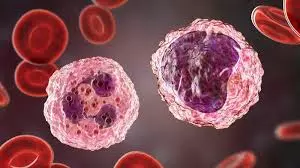
THIRUVANANTHAPURAM: An elderly woman has died of Primary Amoebic Meningoencephalitis (PAM) in Kerala.
The death was reported at Nellikuzhi, Kothamangalam in Ernakulam district of Kerala.
Officials said the 73 year old woman passed away on May 15 at a private hospital in Kothamangalam. She first developed symptoms like fever and headache on May 6, was admitted on May 8, and transferred to another hospital in Aluva later that day as her condition worsened. After three days in critical condition, she was moved back to the private hospital in Kothamangalam, where she eventually succumbed to the illness.
A worker under the National Rural Employment Guarantee Scheme, she is suspected of washing her face with water from a canal.
Amoebic encephalitis is a rare but lethal infection of the central nervous system caused by free-living amoeba found in freshwater bodies. Primary amoebic meningoencephalitis (PAM) is typically caused by infection with Naegleria fowleri, a microscopic amoeba often referred to as the "brain-eating amoeba."
This infection destroys brain tissue, leading to severe brain swelling and fatalities in most cases.
Symptoms of PAM include severe headache, mild to high fever, stiff neck, sensitivity to light, disorientation, seizures, nausea and vomiting.
Health department initiates preventive measures
After her death, officials checked nearly 20 people who had worked with her, none of whom have developed symptoms. The health wing in Nellikuzhi panchayat also superchlorinated local water sources, including wells. Dr. R. Shahirshah, District Medical Officer of Ernakulam, said preventive measures have been stepped up and warned the public to avoid bathing or swimming in unsafe or stagnant water.
Last year, the Kerala health department, in collaboration with experts from the National Institute of Epidemiology in Chennai, launched a field study to investigate the causes of amoebic encephalitis (amoebic meningoencephalitis). By October 25, 2025, Kerala had reported 30 deaths from primary amoebic meningoencephalitis (PAM), a rare but often deadly brain infection caused by the Naegleria fowleri, also known as the “brain-eating amoeba.”
With the help of a proactive early detection mechanism, the state kept the mortality rate between 20–24%, far lower than the global average of over 95%. All medical colleges in Kerala have microbiology departments capable of detecting the amoeba for quick treatment, and in June last year, the Thiruvananthapuram Public Health Lab became the first in the state to establish a molecular-based system for identifying amoeba species and confirming the disease.
Amoebic Encephalitis - Prevention Measures
· Avoid diving or jumping into stagnant or untreated water bodies.
· Use a nose plug or cover your nose with fingers while swimming or diving.
· Keep your head above water when swimming in untreated water bodies.
· Refrain from digging or stirring mud while engaging in water-related activities.
· Ensure swimming pools, water parks, and spas are clean, chlorinated, and well-maintained.
· Avoid getting water from sprinklers or hoses into your nose.
· Never pour unboiled or unpurified water into the nose of children or adults.
· When washing your face or bathing with untreated water, prevent water from entering your nose.
· Keep water bodies free from contamination and avoid discharging waste into them.
· Clean water tanks and storage tanks thoroughly every three months.
· Immunocompromised individuals should only use purified water for cleaning wounds.
