Hyderabad: Adrak-ke-Panje Theatre Legend Babban Khan Passes Away

Performed across India and even internationally, Adrak-ke-Panje turned Babban Khan into a household name, especially among Urdu and Dakhni theatre audiences.
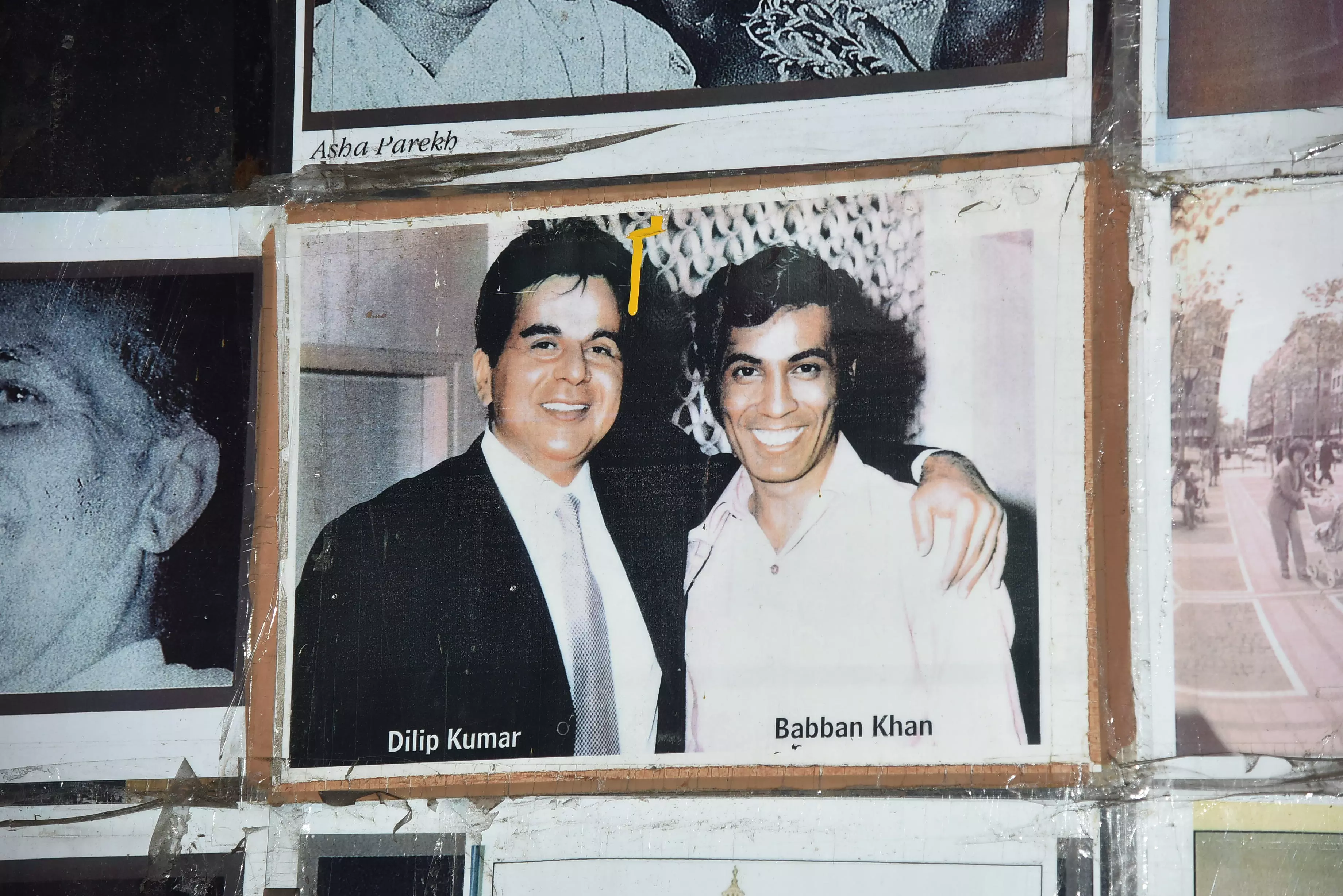
Hyderabad: Veteran drama playwright and Hyderabad-based performer Babban Khan, renowned for his comedy, passed away in the city on Friday. Survived by his wife Shaila Khan and two daughters, the Guinness World Record holder died in a hospital after a prolonged illness, leaving behind a lasting legacy of showcasing Hyderabadi and Deccani life on an international level.
Born into poverty in the narrow lanes of Old City’s Aghapura, Babban Khan’s early life was shaped by hardship and loss. He lost siblings to malnutrition, yet refused to let sorrow define him. Instead, he turned to art.
“He sold his mother’s jewellery and prepared his first theatrical performance . It serves as a great inspiration to young playwrights today; it reflects a profound commitment to endure any hardship for the sake of art”, said actor, writer and theatre practitioner Ajay Mankenapalli.
Under the dim light of a streetlamp, Babban Khan began writing ‘Adrak Ke Panje’. What began as a modest solo act first staged in 1965 at Ravindra Bharati, initially failed to find its audience.
But with quiet determination, he pushed forward, persuading organisers to give his play another chance. Those “few more trials” turned into a staggering journey of over 10,000 performances across more than 60 countries and in 27 languages.
“In addition to the theatre, he also worked at Akashavani in All India Radio. Before entering theatre, he participated in several short plays and programs as a radio artist”, Ajay added.
Despite global recognition, Babban Khan remained a deeply private and humble man. In his home at Masab Tank, surrounded by photographs and memories of his travels, he chose a quieter path in his later years.
He turned to teaching, taking in only a handful of students at a time, guiding them patiently and personally. For him, art was not merely performance; it was something to be shared, preserved and passed on.
Babban Khan’s life was one of resilience, passion and unwavering belief in his craft. From a struggling boy in Aghapura to a global cultural figure, his journey stands as a testament to what perseverance can achieve. Though he is no longer with us, the laughter he created and the lives he touched will continue to echo for generations.
Dr Anugu Narasimha Reddy, director of the language and culture department, told Deccan Chronicle: “It is a dark day. Babban Khan was a legendary playwright and theatre artist, whose contribution to Indian performing arts will always be remembered. Through his iconic ‘Adrak Ke Panje’, he brought joy and laughter to audiences across the world, while proudly showcasing the cultural richness of Hyderabad.”
Former director, language and culture department, Mamidi Harikrishna said, “It is a great loss to Hyderabad. We lost Hyderabad’s Shaan aur Pehchaan. Babban Khan portrayed real life situations through the comedic lens, which had a unique touch on viewers.”
The enduring legacy of Babban Khan is perhaps best reflected in his iconic play ‘Adrak Ke Panje’, a work that left a deep and lasting impact on Hyderabadi drama across the world.
At its heart, ‘Adrak Ke Panje’ tells the story of a small family struggling with everyday financial and household challenges. The simplicity of its setting is what made it so powerful. The play did not have grand scenes or elaborate characters; just the raw, honest portrayal of life as many people know it. Through this, Babban Khan was able to connect deeply with audiences from all walks of life.
Mamidi Harikrishna, former director of the language and culture department, said: “He portrayed the small happinesses and victories, the tragedies and misfortunes, and in the end a kindle of hope, in the most raw and real way. That is what connected him to the masses.”
Babban Khan brought laughter through witty, distinctly Hyderabadi humour, while at the same time touching on serious issues such as poverty, hardship and human resilience. The audience could laugh one moment and feel deeply moved the next. This balance gave the play a universal appeal, allowing it to transcend language and cultural barriers.
“The credit goes to him for elevating Hyderabadi Urdu, or the Dakhani dialect, into a respectable art form. He introduced this dialect to the world as a full-fledged theatrical language; a dialect that, until then, had been confined merely to satire”, actor, writer and theatre practitioner Ajay Mankenapalli said.
Babban Khan’s own life experiences shaped the soul of the play. Having grown up in poverty and faced personal loss, he understood struggle in a way that made his writing both genuine and heartfelt. He did not simply perform a character; he lived it on stage. This authenticity is what made ‘Adrak Ke Panje’ so relatable and memorable.
Many also recounted that his play was not influenced by the glitterati of Western drama. “Many artists, especially in the West, glorified drama and plays. Their plays had extravagant life stories, heavy setups and a huge cast. Babban Khan did not take that route. With Adrak, he showed the true, raw perception of a Hyderabadi’s life with native, Urdu and Hyderabadi middle class Islamic lifestyle. And it clicked,” Harikrishna told Deccan Chronicle.
The journey of the play itself is equally remarkable. What began as a modest performance in Hyderabad went on to be staged over 10,000 times in more than 60 countries and in 27 languages.
Harikrishna further said “His shows were stressbusters. But it doesn’t just portray tragedy through comedy, but by the end, shows hope to the audience. Viewers, walking away, used to carry a sense of optimism over life, and would fall in love with life again.”
‘Adrak ke Panje’ earned global recognition and remains one of the longest-running single-man shows in theatre history. Harikrishna said that the play laid the foundation to a new genre of Hyderabadi films. “Hyderabad Nawabs, Angrez, such movies are an extension of the ‘Babban Khani Style’, which carried authentic Dakhani dialect and the rawness of our Hyderabad lifestyle.”
