Owaisi Flags SIR Jolt in Mamata Banerjee, MK Stalin's Constituencies

The SIR was conducted in constituencies of both Mamata Banerjee and MK Stalin, respectively, and both of them lost: Owaisi
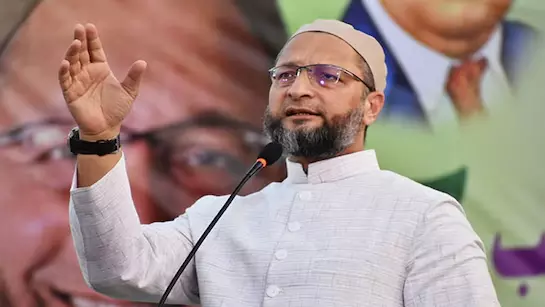
HYDERABAD: AIMIM president Asaduddin Owaisi on Tuesday attributed the Trinamool Congress’s defeat in the West Bengal Assembly polls to corruption and the impact of the special intensive revision (SIR) of electoral rolls, which he said even affected Mamata Banerjee’s own constituency.
Speaking at the party headquarters in Darussalam, Hyderabad, Owaisi said the verdict in favour of the BJP must be respected, adding that secular parties had once again failed to halt the saffron party’s expansion. He alleged that Banerjee’s political strategies indirectly aided the BJP’s growth, recalling that the TMC had facilitated its first parliamentary victories in the late 1990s.
He claimed that the deletion of voters’ names under SIR contributed to the defeat and criticised Mamata for not assisting those affected. He described the move to approach the Supreme Court over the issue as symbolic.
Owaisi said SIR was conducted in constituencies of both Mamata Banerjee and Tamil Nadu’s M.K. Stalin, and both lost. “It is wrong to link citizenship with SIR. The ministry of home affairs has rules for citizenship. There are NRC and NPR rules as well. This is not just about casting your vote but keeping your citizenship intact,” he said.
He advised people in areas where SIR may be carried out to ensure error-free mapping of their names, warning that restoring deleted names after publication of the draft list could be difficult. He said AIMIM was helping people verify their names and urged the Telangana Congress government to take the issue seriously.
Acknowledging the BJP’s victory in Assam, Owaisi said the electorate had “reposed their faith in the BJP again.” He expressed frustration over the alleged displacement of nearly 50,000 Muslims under the current government and argued that a stronger presence for Badruddin Ajmal’s AIUDF would have given the 30 per cent Muslim population in Assam a more robust voice.
