Rules Must Be Followed In Urban Land Ceiling Action:High Court

The panel further observed that alleged possession taken through a panchanama without notice and without participation of the landholders amounted only to symbolic possession. Accordingly, the panel dismissed the writ appeal.
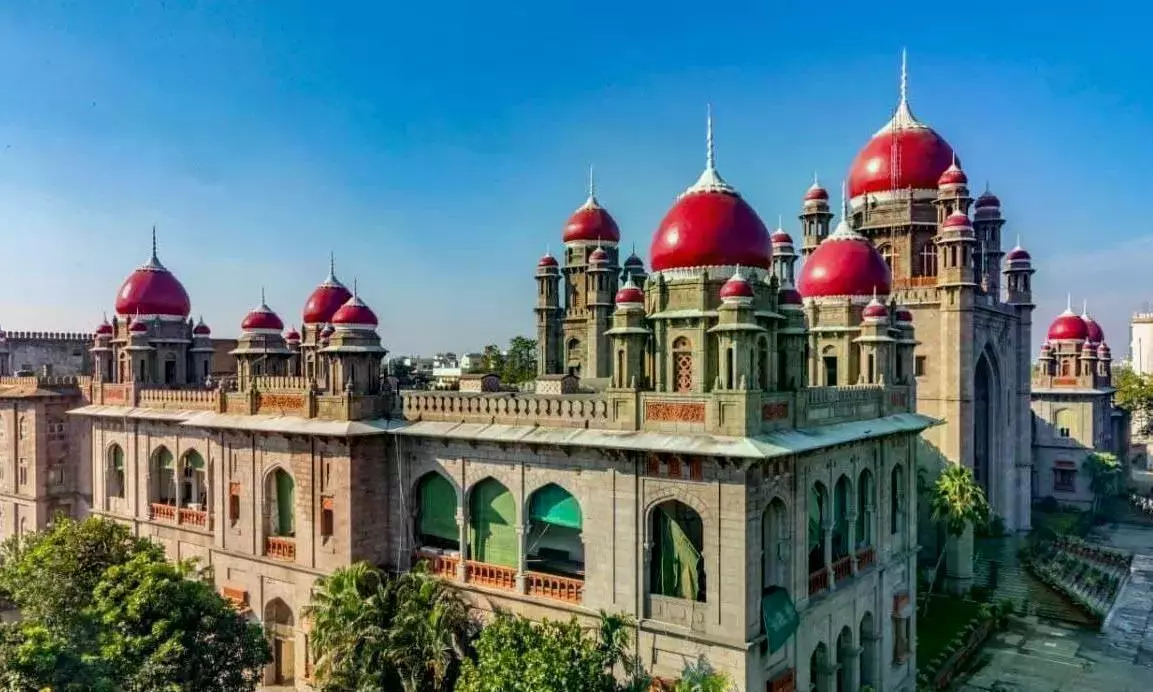
Hyderabad:A two-judge panel of the Telangana High Court ruled that proceedings initiated under the Urban Land (Ceiling and Regulation) Act, 1976 (ULC Act) without statutory authority were unsustainable in law. The panel comprising Justice Moushumi Bhattacharya and Justice Gadi Praveen Kumar dismissed a writ appeal filed by the state, affirming the order of the single which set aside the ULC proceedings against the writ petitioners. The case arose from a challenge to suo motu proceedings initiated by the special officer (land ceiling) in 2006 in respect of land situated in Bachupally of Rangareddy district. It was the case of the writ petitioners that they purchased the land through registered sale deeds executed in 1990 and 1993, and that the proceedings were conducted behind their back without issuance of notice. A single judge bench allowed the writ petition, holding that the authorities failed to comply with the mandatory requirements under Urban Land (Ceiling and Regulation) Act, particularly with respect to issuance and service of notice prior to taking possession. It also found that the proceedings were initiated against persons who were either not the owners or were no longer alive, rendering the exercise legally untenable. In the appeal, the state argued that the petitioners lacked locus standi, as the transfers in their favour were void under the ULC Act, and that the writ petition was liable to be dismissed on the ground of delay and laches. The state further argued that non-issuance of notice would not vitiate the proceedings. Rejecting these contentions, the panel held that the ULC Act did not confer any suo motu power on the competent authority and initiation of such proceedings without statutory backing is without jurisdiction. The panel observed that issuance of notice was mandatory, and failure to issue notice to persons in possession vitiates the entire process of taking possession. The panel further observed that alleged possession taken through a panchanama without notice and without participation of the landholders amounted only to symbolic possession. Accordingly, the panel dismissed the writ appeal.
Actress wins reprieve over reports
The Telangana High Court granted interim protection to actress Venkata Aswini Reddy Koyya, restraining multiple media platforms and individuals from publishing or circulating allegedly defamatory content against her until the trial court decided her injunction plea. Justice P. Sam Koshy passed the order in a civil revision petition, setting aside the refusal of trial court to grant urgent ex parte relief and holding that continued publication could cause irreversible harm to the reputation and privacy of the petitioner. The petitioner had approached the High Court challenging an order of the Additional Chief Judge, City Civil Court, Hyderabad, which merely issued notice to the respondents and deferred consideration of interim relief. The suit was filed seeking mandatory and perpetual injunction against over 30 defendants, including media houses and digital platforms, alleging that they had disseminated content portraying her in a defamatory manner across television, websites, YouTube channels, and social media. Counsel for the petitioner argued that the continued circulation of such material severely damaged her personal and professional life, particularly given her work in films, web series, and brand endorsements. Justice Koshy observed that the right to privacy, as part of Article 21, includes protection of reputation and control over dissemination of personal information, especially in the digital space where harm is immediate and difficult to reverse. Balancing this against freedom of speech, the judge held that the latter was not absolute and was subject to reasonable restrictions, including defamation. It noted that where content relates predominantly to private life and appears prima facie defamatory, interim protection is justified. Finding that continued publication would render the pending injunction application meaningless, the judge restrained respondents from publishing or broadcasting any defamatory material against the petitioner until the trial court adjudicates the interim application scheduled for May 6. The civil revision petition was accordingly allowed, with the High Court clarifying that the trial court shall decide the injunction application independently on its merits.
HC reprimands over delayed payments
Justice Anil Kumar Jukanti of the Telangana High Court reprimanded state authorities for failing to release long-pending payments to a civil contractor despite completion of multiple pipe line works under Mission Bhagiratha programme. The judge was hearing a writ petition filed by A.K.R.V.D. Prasad, a Class-III civil contractor, who complained that payments amounting to several lakhs remained unpaid for over two years, even though the works were duly executed. The petitioner contended that the works were completed within the stipulated time and were duly verified, check-measured, and approved by the authorities, with completion certificates issued. However, despite bills being prepared and passed, the payments were not released, causing financial hardship and adversely affecting his business operations. On the other hand, the state attributed the delay to administrative reasons and sought time to process the payments. Justice Anil observed that when there was no dispute regarding the execution and completion of the works and once the state accepted and benefited from the work, it is under a duty to release payments within a reasonable time. Prolonged delay, the judge held, imposes an unjust financial burden on the contractor. He referred to judgement of a division bench in similar circumstance and said, the petitioner is entitled to interest at 6 per cent per annum on the delayed payments. He said that the government cannot indefinitely withhold dues after benefiting from completed works and directed the respondent authorities to release the amounts along with applicable interest.
