Chill That Can Shock: Silent Summer Stress on the Heart

From intense heat to immediate cooling, the body reacts in seconds. Cardiologists warn the shift may carry hidden risks
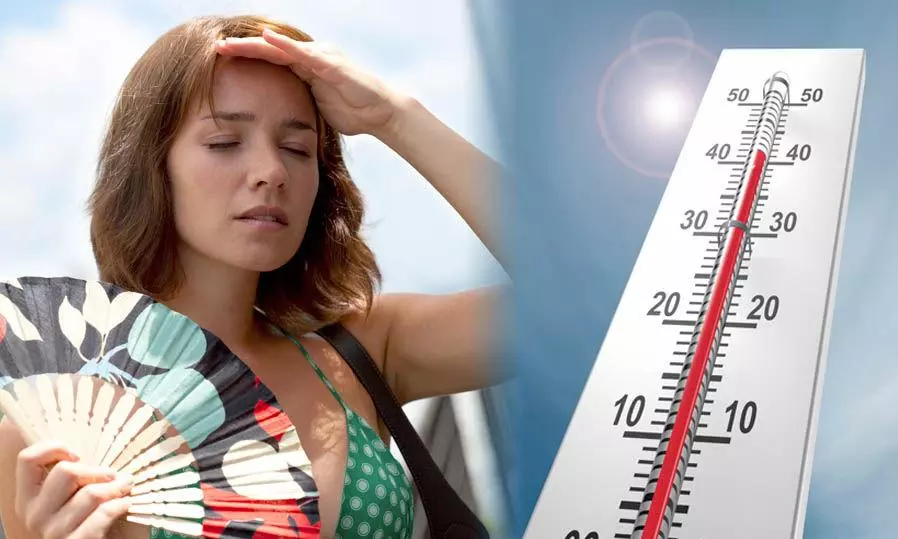
At 2 pm, the city feels like a furnace. Roads shimmer at 42°C, tempers rise, shirts cling. Then a glass door slides open and relief floods in. Cold air, instant comfort. Or a bottle of ice-cold water, gulped in seconds. It feels like survival. But cardiologists are quietly warning that this everyday moment of relief may be placing an invisible strain on the heart. In a city built on extremes, heat outside and deep chill inside, “thermal whiplash” is emerging as a modern urban health risk we barely talk about.
Body Caught Between Extremes
“From a physiological standpoint, the body is designed for gradual change, not abrupt shocks,” says Dr Rahul Chowdary Kongara, Consultant Cardiologist at Apollo Hospitals. “When you’re in intense heat, your blood vessels dilate to release heat. Step suddenly into a very cold space, and those vessels constrict instantly. That rapid shift can cause a spike in blood pressure, forcing the heart to work harder in a short burst.”
For most healthy individuals, this adjustment is manageable, but not always harmless. “In those with underlying or undiagnosed cardiac conditions, hypertension, coronary artery disease, this sudden vascular stress can trigger chest discomfort, palpitations, even acute cardiac events,” he explains.
Heat-chill loop
The concern isn’t just the intensity, it’s the frequency. “In cities like Hyderabad, we see repeated transitions every day, street to car, car to office, office to mall,” notes Dr Praneeth Polumari, Senior Consultant Interventional Cardiologist at Yashoda Hospitals. “Our cardiovascular system is adaptive, but it doesn’t appreciate constant shocks. What we’re seeing is cumulative stress, small, repeated spikes that add up over time.” He adds, “Many patients come in with symptoms like dizziness or chest tightness that don’t occur during exercise, but right after entering an air-conditioned space or drinking chilled water. That’s a pattern we can’t ignore anymore.”
Cold water myth
Relief often comes in a bottle, icy, instant, irresistible. But here is where it gets tricky. “Rapidly drinking ice-cold water after heat exposure can stimulate the vagus nerve,” explains Dr Kongara. “This may cause sudden fluctuations in heart rate or blood pressure.” Dr Polumari puts it simply: “It is not just about hydration, it is about how you hydrate. Slow sips of cool water are far safer than gulping down ice-cold water in one go.”
What exactly is “thermal whiplash”?
· Sudden shift from extreme heat to intense cold
· Blood vessels constrict rapidly (vasoconstriction)
· Temporary spike in blood pressure
· Increased cardiac workload in seconds
· Repeated exposure = cumulative cardiovascular stress
Who should be most careful?
According to Dr Pramod Kumar Kuchulakanti, Chief Cardiologist, “I wouldn’t call this mild, not for everyone. For a healthy 30-year-old, it may pass as discomfort. But for someone with undiagnosed hypertension or coronary artery disease, this can genuinely trigger a cardiac event.”
He highlights the most vulnerable groups:
· People above 40
· Those with diabetes or high blood pressure
· Individuals with sedentary lifestyles
· Anyone with undiagnosed heart conditions
“What makes it dangerous is that many people don’t even know they’re at risk,” he adds.
Warning signs we ignore
Not all heart stress looks dramatic. “People expect heart problems to be obvious — severe chest pain,” says Dr Kuchulakanti. “But early warning signs are often subtle.”
Watch for
· Breathlessness during routine activity
· Palpitations during temperature changes
· Dizziness when stepping in or out of AC
· Sudden fatigue in the afternoon
· Headaches after heat exposure
· Brief chest tightness — even if it passes
“Even 30 seconds of chest heaviness during a temperature shift is not something to dismiss,” he warns.
Smart cooling, safer heart
Small habits that make a big difference
· Set AC between 24–26°C, not 18°C
· Pause for 2–3 minutes in a transitional space before entering full AC
· Drink water before stepping out, not just after returning
· Choose cool, not ice-cold beverages
· Hydrate in small, steady sips
· Avoid peak heat hours (12 pm–4 pm) when possible
