It’s not fiction, the ‘Broken Heart Syndrome’ is real and can affect your heart and overall well-being
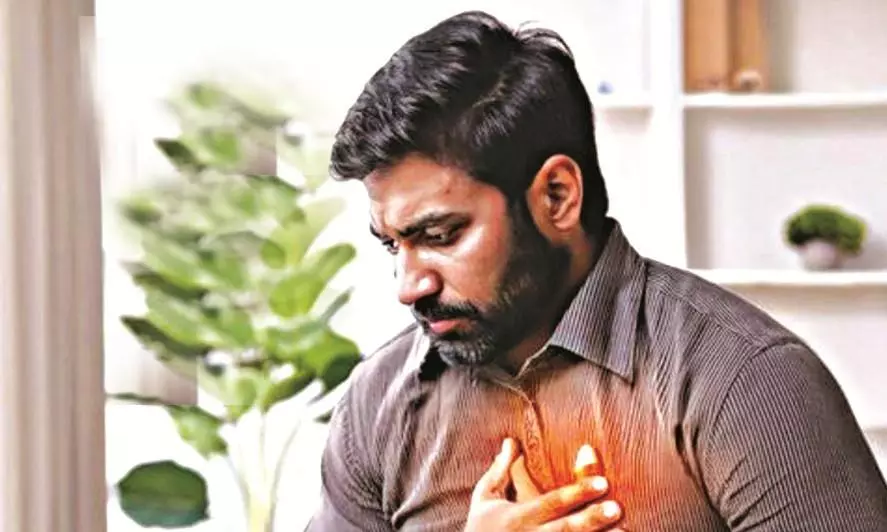
It sounds poetic, but unfortunately, the ‘Broken Heart Syndrome’ is real and biological. Clinically known as Takotsubo cardiomyopathy, it occurs when intense emotional or physical stress causes a sudden jolt and weakening of the heart muscle. From chest pains that feel heavy with sorrow to breaths that come up short like a sigh, the body doesn’t lie. Sometimes, the heart really does take things to the heart!
“Broken Heart Syndrome often strikes suddenly. One moment the person is coping with intense stress, and in the other, they are rushed to the emergency room,” says Dr. Rishi V Lohiya, Senior Consultant Interventional Cardiology.
It’s just stress showing up uninvited. No clogged arteries. No cholesterol villain. Dr Rishi explains that, in many cases, the trigger is heartbreak, the sudden loss of a loved one or any intense moment of grief. At such times, due to extreme emotional or physical stress, the body releases a surge of stress hormones, particularly adrenaline, which can temporarily overwhelm the heart muscle. Dr Rishi adds, “The trigger isn’t always grief. A financial shock, a serious argument, a medical emergency, or even unexpected good news can provoke the same reaction.”
Skip A Heartbeat
One wonders if stress can make the heart skip a beat? The answer is YES. The heart’s main pumping chamber (left ventricle) becomes temporarily weak and changes its shape. Normally, it squeezes like a strong fist to pump blood. But under intense stress, it loses its grip, balloons out, and becomes round. This rounded, pumped-up shape looks just like a Japanese octopus trap, called a takotsubo. That’s how the condition got its name, Takotsubo Cardiomyopathy, aka, a heart shaped like an octopus pot!
Dr Syed Akram Ali, Senior Consultant, Interventional Cardiologist and Director of Intensive Coronary Care, Renova Century Hospitals, Hyderabad, says, “Unlike heart attacks caused by blocked arteries, this condition involves temporary heart muscle dysfunction.”
Dr Syed opines that the triggers could be anywhere from long-standing ailments like cancer, major surgery, severe emotional trauma or even any form of something too shocking for the brain to process.
Most Susceptible
Many doctors believe that BHS is likely to strike women over the age of 50. Particularly, post-menopausal women. Dr Rishi explains, “Hormonal changes are believed to reduce the heart’s natural protection against stress hormones.” The other lot susceptible are those spending their days in extreme anxiety, depression, or prolonged emotional strain. Dr Syed says, “Even patients who are undergoing cancer-related treatment or cancer survivors have a heightened risk of experiencing Broken Heart Syndrome.”
The symptoms arrive quietly but linger loudly—pain that sits heavy with emotion, breath that comes up short like a lingering sigh, and fatigue that refuses to exit. The causes read like an emotional roller coaster. From intense grief, sudden shock, to even overwhelming joy, all prove that the heart takes life a little too to heart. It’s a gentle reminder that when emotions spike, the heart can literally lose its rhythm.
The Cure
With proper treatment and care, the heart regains its normal shape and strength in a short period. Regular physical activity, adequate sleep, emotional support, and stress-relief practices help. However, Dr Rishi cautions that if symptoms last, rushing to a nearby hospital is wise. Dr Rishi says, “Every such episode must be treated as a medical emergency, and only hospitals can confirm what is truly happening.” The treatment often focuses on managing symptoms with heart medications like beta-blockers and ACE inhibitors. For prevention, doctors recommend stress management techniques -- regular exercise, meditation, mindfulness practices and maintaining strong connections.In the end, Broken Heart Syndrome reminds us that emotions are not just random and abstract. Matters of the heart are complex and invisible. Giving the heart its due care may help before it skips another beat!
Symptoms
• Sudden Chest Pain
• Difficulty breathing
• Sweating
• Dizziness or Fainting
(Courtesy: Dr Rishi V Lohiya)