Mythology Craze in Film Industry

From Ranbir Kapoor as Lord Ram to Vicky Kaushal as Parushram, Indian cinema is witnessing a grand return to mythology — this time with A-list stars, massive budgets and cutting-edge VFX
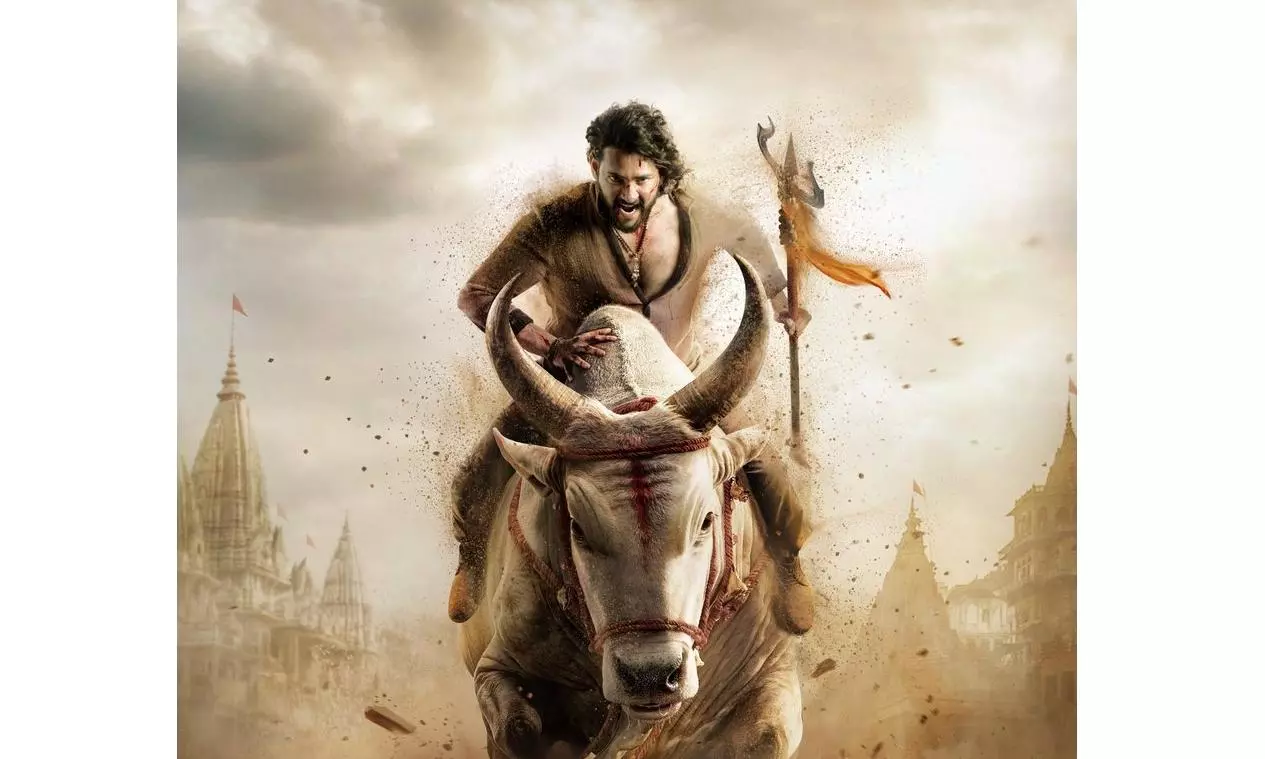
Days after images of Ranbir Kapoor as Lord Ram in Nitesh Tiwari’s Ramayana were released, Maddock Productions unveiled the poster of Mahavatar Parushram, starring Vicky Kaushal, on April 19, Parusharam Jayanti. The poster presents Vicky in a fierce avatar, evoking the warrior sage and his spirit. Mahavatar will be helmed by Stree director Amar Kaushik.
Both films will be competing with different versions of the same subject. Bhavna Talwar’s Valmiki Ramayana, with music composed by Ilaiyaraaja, is slated for an October 2 release, weeks ahead of the Ranbir-Yash starrer. Hombale Films has also announced an animated version of Mahavatar Parushram, set to release in 2027 alongside the Vicky Kaushal film.
“The surge in mythological films today is a perfect mix of cultural rediscovery and commercial evolution. Stories like Kantara, Ramayana, and Jai Hanuman tap into deeply rooted beliefs and familiarity, giving filmmakers a powerful emotional connect with audiences across regions. At the same time, advancements in VFX and scale now allow Indian cinema to present these epics as global spectacles, not just devotional stories. In an era where audiences seek both identity and grandeur, mythology offers the rare combination of nostalgia, universality, and blockbuster potential”, says film analyst Ramesh Bala.
Adding to the growing slate, Jio Studios has announced its next project, Krishna, directed by Manu Anand, which will be mounted on a native AI model.
Vijay Subramaniam, Founder & Group CEO, Collective Artists Network, said, “Krishna is not just about rethinking how films are built, but also about where these stories can go. We’re using technology being developed here in India to take our culture and history to a global audience, at a scale that wasn’t possible earlier. For us, this is a long-term priority, building stories that are rooted in who we are, but can travel anywhere in the world.”
Not a new trend
Mythologicals were once a popular vehicle on Indian screens, with legendary stars like Prithviraj Kapoor and N. T. Rama Rao immortalising epics. Over time, however, these stories moved to television, where shows like Ramayana and Mahabharat turned actors into icons.
What is new is the shift back to the big screen — this time led by mainstream stars. From Mahesh Babu reportedly playing an avatar of Lord Ram in SS Rajamouli’s time-travel odyssey Varanasi, to Rana Daggubati’s home production Hiranyakashyap with the actor in the title role, and Nag Ashwin’s sequel to the 2024 hit Kalki 2898 AD, which sees Amitabh Bachchan and Prabhas reprise their roles as the legendary Ashwatthama and Lord Ram, there is a clear trend.
Wooing audience back to theatres
Film stars in India have long enjoyed larger-than-life status, with some even having temples dedicated in their honour. But the recent surge of mainstream stars embracing mythology doesn’t seem like a passing phase — it is also a strategic reinvention?
“These roles tap into cultural memory and give actors a larger-than-life, almost divine recall value. When stars like Ranbir or Yash step into epics like Ramayana, they aren’t just playing characters — they’re stepping into legacy. It elevates their image from star to symbol. It also increases their Pan-India appeal and the NRI Diaspora audience”, adds Ramesh Bala.
However, this renewed tryst with mythology suggests something more. These films are also bringing family audiences back to theatres — something that has been missing in recent years.
“Southern cinema has long contributed powerful star associations with mythology: N.T. Rama Rao became synonymous with Rama and Krishna on screen, Balakrishna has continued that devotional tradition, and recent pan-India stars like Prabhas in Adipurush show how southern icons can lift mythological projects to global audience. Even when projects such as Adipurush stumble critically, the presence of big names can still ensure decent theatrical returns and strong downstream value on satellite TV and OTT, because mythological content retains huge acceptability among family audiences,”says Girish Wankhede.
