People are moving beyond rigid geometric furniture and embracing soft edges, fluid forms and mindful fittings in their day-to-day lives at home
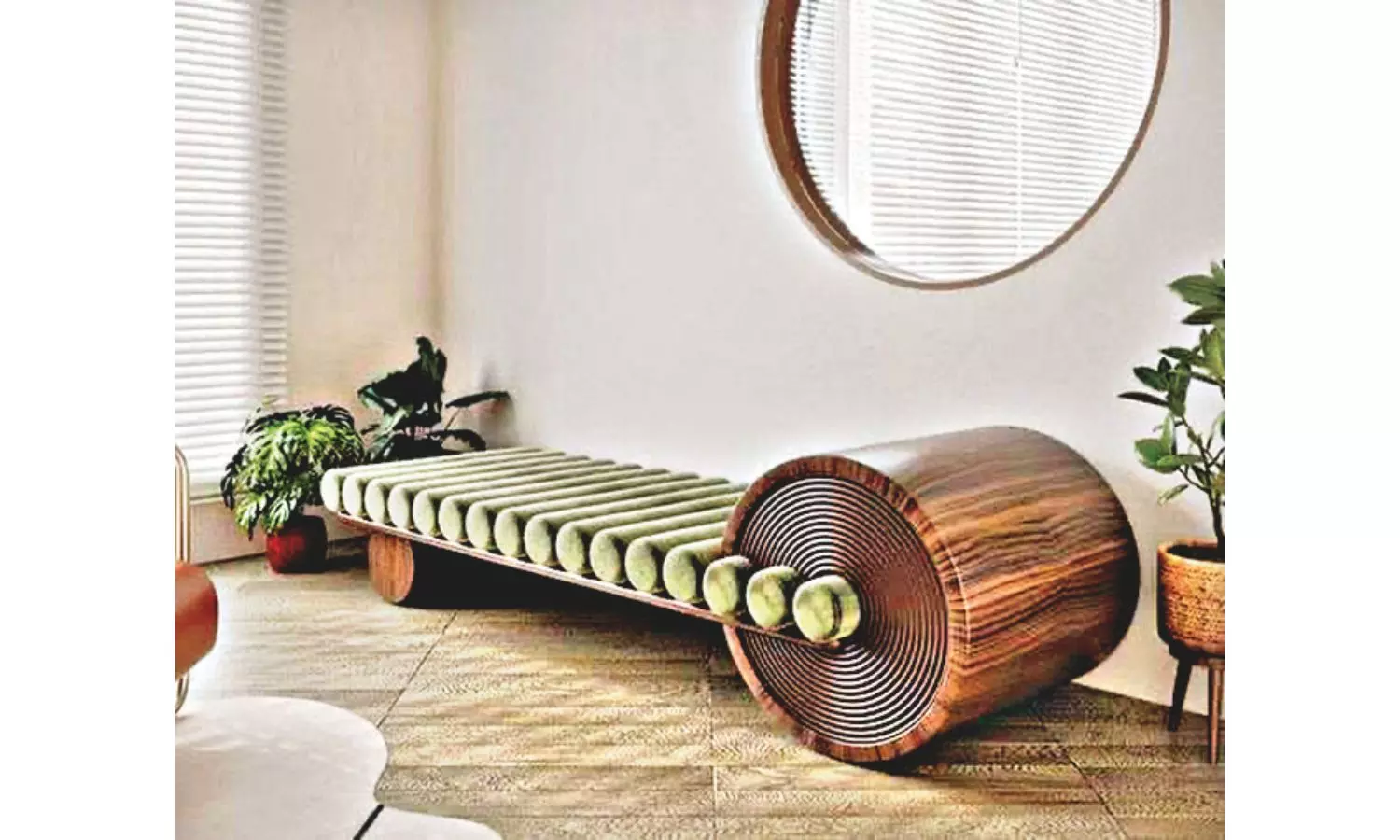
Step into a contemporary living room today, and you’ll notice a quiet but unmistakable shift. Sharp edges are softening. Straight lines are giving way to gentle curves. Sofas feel more like cocoons than seating, and coffee tables no longer demand attention with rigid geometry. Instead, they invite—with rounded edges, plush textures, and fluid forms.
This is the rise of “soft living”—a design movement that prioritises comfort, calm, and emotional ease. At its centre is curved furniture, a trend that reflects not just changing aesthetics, but a deeper shift in how we want our homes to feel.
From Minimal to Mindful
For years, interiors were dominated by clean lines and stark minimalism—think straight-edged sofas, angular chairs, and uncluttered spaces inspired by Scandinavian and industrial design. But that visual language is evolving.
“People are moving away from spaces that feel overly structured or clinical,” says interior designer Ananya Mehra. “There’s a desire now for homes that feel lived-in, warm, and emotionally comforting.”
Curved furniture plays a key role in this transition. A rounded sofa or an oval coffee table instantly softens a room, making it feel more approachable and less formal. It’s not just about aesthetics—it’s about atmosphere.
The Psychology of Softness
Design psychologists have long noted that shapes influence how we feel in a space. Straight lines and sharp angles tend to signal order and efficiency, while curves are associated with safety, ease, and relaxation.
“Humans are naturally drawn to organic forms,” explains environmental psychologist Dr. Ritu Kapoor. “Curves mimic shapes found in nature—waves, clouds, the human body. They feel instinctively comforting.”
In contrast, rigid edges can sometimes create a sense of tension or distance. “People want their homes to feel like a sanctuary,” Kapoor adds. “Curved furniture helps achieve that by reducing visual harshness.”
The Cocoon Effect
One of the most defining elements of this trend is the “cocooning” sofa—low, rounded, and deeply cushioned. It doesn’t just offer seating; it creates a sense of enclosure. “These pieces are designed to be experienced, not just used,” says furniture designer Karan Sethi. “They encourage you to sink in, relax, and stay a while.”
This shift aligns with changing lifestyle habits. As homes double up as workspaces, social zones, and places of rest, furniture is expected to do more than ever before.
Social Spaces, Reimagined
Curved furniture is also reshaping how we interact within our homes. “A curved sofa naturally brings people closer together,” says Mehra. “It creates a more intimate, inclusive seating dynamic.” This is particularly relevant in urban homes, where space is limited. A single curved piece can anchor a room while also making it feel more open and inviting.
Break From Rigidity
There’s also a visual fatigue at play. After years of highly curated, minimalist interiors dominating social media, many homeowners are seeking something softer, more expressive. “Minimalism isn’t disappearing—it’s evolving,” says design consultant Aditi Rao. “We’re seeing a shift toward what some call ‘warm minimalism’—spaces that are still clean, but not cold.”
Curved furniture fits seamlessly into this narrative. It adds interest without clutter, softness without excess. Plush fabrics like bouclé, velvet, and suede are increasingly popular, enhancing the tactile appeal of these designs. “Texture plays a huge role in creating that sense of comfort,” Sethi says.
Marble tables with rounded edges, wooden chairs with sculpted forms—everything is moving toward a softer visual language.
Influence of Global Design
While the trend feels contemporary, its roots can be traced across design history—from mid-century modern silhouettes to the fluid forms of 1970s interiors.
Social media platforms have made international design trends more accessible, allowing homeowners to experiment with styles that feel both modern and timeless. “People are blending influences to create spaces that feel personal rather than prescriptive,” Rao says.
Not Just a Trend
Experts suggest that the shift toward curved furniture is more than just a passing phase. “This is a response to how our lives have changed,” Kapoor explains.