The Indian Premier League has become more than just a cricket spectacle. It is now the biggest factory of batting talent in the world. Every season, new names emerge and demand attention. This year, Sai Sudharsan, Shreyas Iyer, Vaibhav Sooryavanshi, Rajat Patidar, — just to mention a few — have made the world make note of their brilliant talent. But one question remains: why are they not being considered to play for Team India?
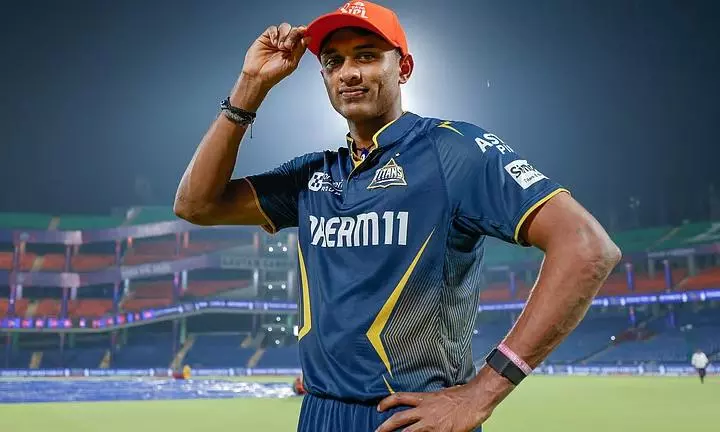
Former player Virender Sehwag made a valid, blunt point. He said, “Every IPL throws up players who are batting very well, but where is the space for them in Team India? There is no place.”
He has a point. With India’s talent pool deeper than ever, selectors can choose only 15 players for an international squad. For many talented cricketers, that means waiting endlessly on the fringes, or being judged after only a handful of opportunities.
And he is right. With the Board of Control for Cricket in India (BCCI) having a talent pool so vast, selectors can only pick 15 players for international duty. The result? Many promising cricketers hover on the fringes, waiting for a chance that may never come — or worse, getting one opportunity and being judged too quickly.
Take Sai Sudharsan as an example. Given a chance in England, he was dropped after just one or two poor outings. In a system brimming with options, patience is often a luxury.
First step, a place in India
Maninder Singh, former India spinner, speaking exclusively, emphasised that the challenge is not just about skill but about handling the enormous pressure of representing India. “How they can handle the pressure and how strong they are mentally..., because it’s not easy, international cricket, especially for the Indian boys. There’s always so much pressure because of the cricket lovers in the country. Even when they’re focusing on the job at hand, they know millions are expecting so much from them. Mental strength is very important. These are the kinds of things selectors must keep looking for when boys are given opportunities in India A and other platforms.” He added that consistency is the only currency fringe players can rely on: “It’s a great headache for selectors to choose the best 15. All these boys can do is keep performing regularly and consistently. I’m glad there’s so much talent — it means Indian cricket is in good hands.”
Karsan Ghavri, former India all-rounder, says, “India A must be the pathway”. He offeres a practical solution: “All fringe players likely to play for India in future should be made to play for India A. India A home matches and tours should be frequent — we have enough power house. That’s the best way to keep them ready and tested.”
His point underscores the importance of India A as a bridge between domestic cricket and the national team. Frequent tours and matches would ensure that talent doesn’t stagnate and selectors have a clearer picture of who can step up.
The big headache
For selectors, this abundance of talent is both a blessing and a curse. On one hand, Indian cricket is secure for the future. On the other, careers of deserving players risk being stalled simply because there is no room at the top.