Tehran Stands Firm on Hormuz as Trump Signals Ongoing Blockade

The hardline position advocated by IRGC chief Major General Ahmad Vahidi is now dominant in Tehran, with Iran showing no willingness to concede control over the Strait or its nuclear programme
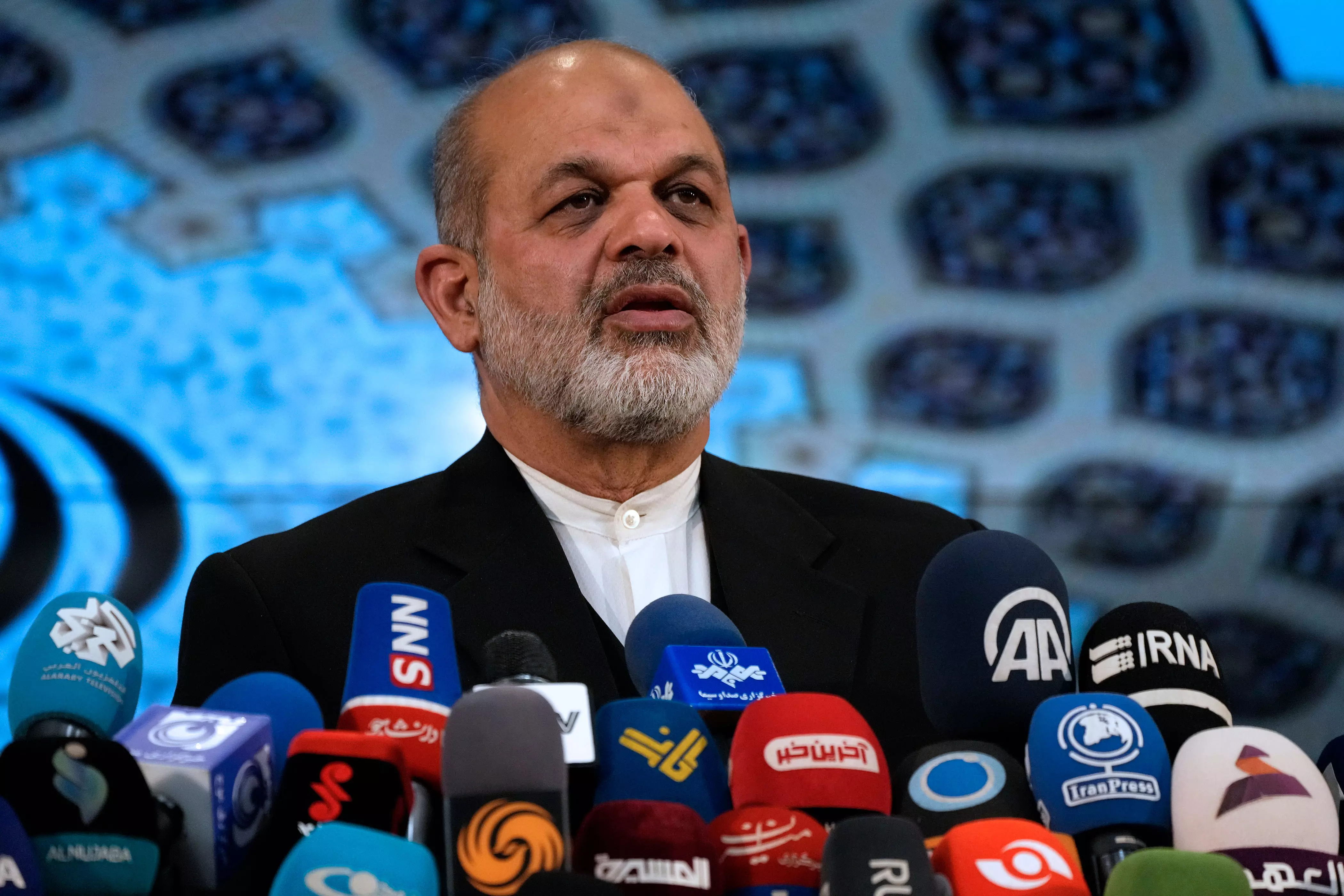
Tehran: A study by the Institute for the Study of War (ISW) has indicated that Iran is unlikely to soften its stance in recent proposals to the United States regarding the Strait of Hormuz.
According to the analysis, the hardline position advocated by IRGC chief Major General Ahmad Vahidi is now dominant in Tehran, with Iran showing no willingness to concede control over the Strait or its nuclear program.
Mainstream Iranian political factions are reportedly aligning behind a strategy to avoid nuclear negotiations until the US lifts its naval blockade on Iranian ports—an approach long supported by Vahidi.
ISW noted limited opposition to this stance within the Iranian regime. It added that Tehran may attempt to legitimise its control over the Strait of Hormuz by involving Oman in a plan to collect tolls from passing ships, allowing Iran to present a “new proposal” without compromising its core positions.
The report also suggested that Iran could increase pressure on the US by encouraging Houthi forces in Yemen to target vessels transiting the Bab el-Mandeb Strait.
Meanwhile, Iran has reportedly used the current ceasefire period to reorganise and rebuild its missile and drone capabilities.
US President Donald Trump, however, strongly defended the ongoing naval blockade, calling it “genius” and claiming it has effectively pressured Tehran.
“The blockade has been 100% foolproof… Nobody's going to play games. We have the greatest military in the world,” Trump said.
He reiterated that any potential agreement would depend on Iran abandoning its nuclear ambitions. “There will never be a deal unless they agree that there will be no nuclear weapons,” he added.
In an earlier interview with Axios, Trump described the blockade as more effective than military strikes and rejected Iran’s proposal to first reopen the Strait of Hormuz before resuming nuclear talks.
According to the report, while Trump currently views the blockade as his primary leverage, he may consider military action if Iran refuses to negotiate.
