Travel Through Designated Routes: Iran Tightens Grip on Hormuz Transit

Khatam al-Anbiya Central Headquarters stated that the Armed Forces of the Islamic Republic of Iran exercise full authority over the management of the Strait of Hormuz
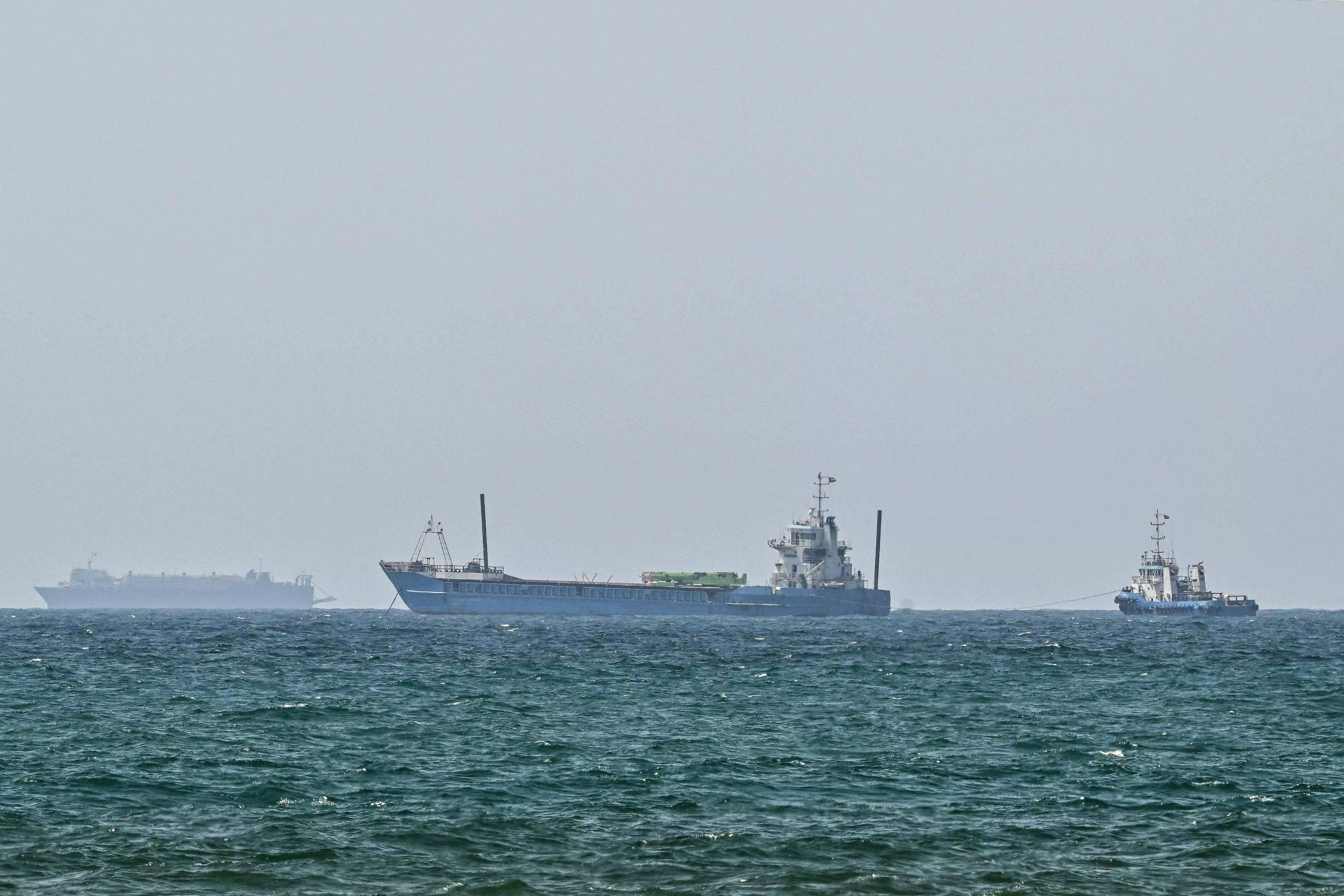
Tehran: Iran has reasserted its sovereignty over the Strait of Hormuz, warning that all commercial and naval vessels must comply with shipping regulations in the strategic waterway or face consequences.
According to Iranian media, the Khatam al-Anbiya Central Headquarters stated that the Armed Forces of the Islamic Republic of Iran exercise full authority over the management of the Strait of Hormuz.
The military command said all ships, commercial vessels, and tankers are required to use designated routes and obtain permission from the Islamic Revolutionary Guard Corps (IRGC) Navy. It warned that any violation of these rules could seriously endanger maritime traffic security.
Tehran also cautioned international naval forces operating in the region, saying any interference in shipping administration or vessel movement would trigger an immediate response.
The warning came as Qatar reiterated its opposition to permanent maritime fees on vessels transiting the Strait of Hormuz.
Speaking at the Shangri-La Dialogue security summit in Singapore, Qatar's Deputy Prime Minister and Minister of State for Defence Affairs, Sheikh Saoud bin Abdulrahman Al Thani, said Gulf nations oppose such charges because they would ultimately affect consumers.
However, he indicated that temporary fees for specific purposes, such as mine-clearing operations, could be open to discussion.
The developments coincide with ongoing talks between Iran and Oman over a possible framework for managing vessel traffic through the vital trade and energy corridor.
Meanwhile, Oman's Maritime Security Centre reported the discovery of a suspected naval mine west of the Inshore Traffic Zone in Omani territorial waters. The centre urged mariners, fishermen, and vessel operators to remain vigilant and immediately report any suspicious objects.
Regional security concerns have intensified, with the Joint Maritime Information Centre (JMIC) maintaining that the threat level in the Strait of Hormuz remains "critical" due to an ongoing US naval blockade targeting Iranian-linked port infrastructure.
The UK Maritime Trade Operations also warned of heightened naval activity, advising mariners to expect increased military presence, stronger force-protection measures, possible VHF communications, and congestion near anchorage zones.
Mohsen Rezaei, a member of Iran's Expediency Council and former IRGC commander, accused US President Donald Trump of undermining diplomatic efforts. In a post on X, Rezaei said Trump was "betraying diplomacy for the third time" by continuing the naval blockade and making excessive demands during negotiations.
At the Singapore security summit, US Secretary of Defense Pete Hegseth said Washington could resume military operations if diplomacy fails. US Central Command (CENTCOM) also stated that American forces remain deployed and vigilant across the region.
Tensions escalated further following US military strikes on Iran's Bandar Abbas port facility and Iran's subsequent retaliation. State-run IRNA reported that Iranian air defence systems had shot down a drone it described as belonging to the "US-Zionist aggressor enemy."
President Trump has insisted that any diplomatic agreement must prevent Iran from acquiring nuclear weapons and ensure unrestricted access through the Strait of Hormuz.
Iranian Foreign Ministry spokesperson Esmaeil Baqaei rejected those conditions, saying the Islamic Republic had "said goodbye to the language of 'must' 47 years ago" while adding that no final agreement had been reached.
Trump also claimed Iran would clear mines, restore normal shipping without tolls, and help dismantle its enriched uranium stockpile, adding that no money would be exchanged "until further notice."
However, Iran's Fars news agency reported that Tehran is seeking the immediate release of USD 12 billion before advancing diplomatic arrangements. The agency also disputed Trump's claims about toll-free passage and Iran's nuclear programme.
Separately, ISNA quoted Iranian lawmaker Alireza Salimi as saying parliament is expected to soon approve legislation reinforcing Iran's management and sovereignty over the Strait of Hormuz.
Tasnim news agency reported that the US-led naval blockade remains in place, with commercial vessels allegedly receiving orders from CENTCOM not to cross the blockade line.
Elsewhere in the region, tensions continue along Israel's northern border. Israel has ordered evacuations in seven villages in southern Lebanon after Prime Minister Benjamin Netanyahu announced that Israeli ground forces had advanced further into Lebanese territory.
During a phone conversation with US Secretary of State Marco Rubio, Lebanese President Joseph Aoun stressed the need for efforts to secure a ceasefire.
Although a formal ceasefire between Israel and Hezbollah took effect on April 17, both sides have repeatedly accused each other of violations.
The conflict intensified after Hezbollah launched rockets into Israel in early March following a joint US-Israeli operation that killed Iran's supreme leader, prompting widespread Israeli airstrikes and a subsequent ground offensive in Lebanon.
Direct negotiations between Israel and Lebanon began in April, with a fourth round of talks expected next week.
