Reopen Hormuz, Restore Peace, Modi Tells Trump

24 March 2026 6:37 PM IST24 March 2026 6:37 PM IST
The call comes after Trump announced a five-day pause on military strikes against Iran
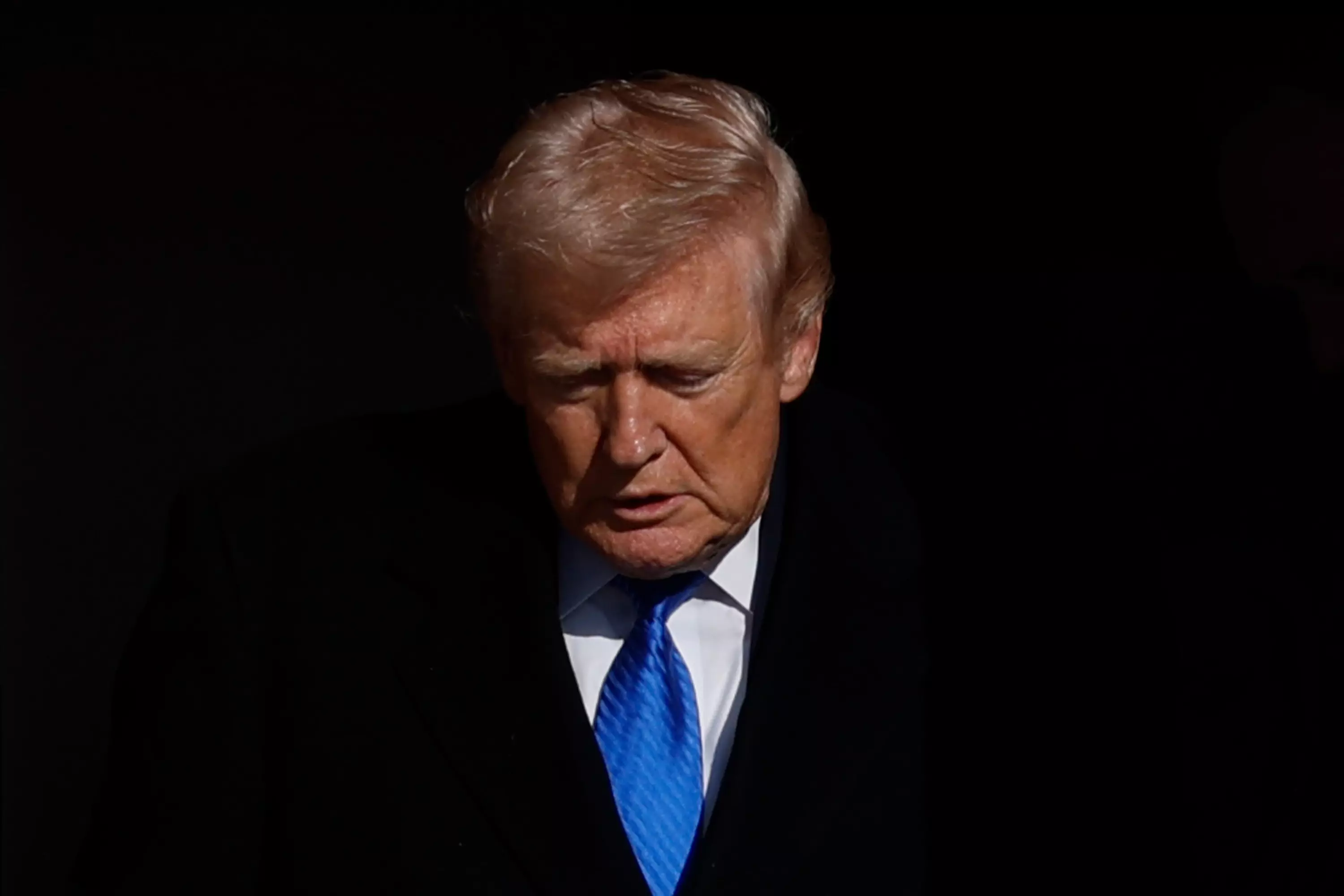
President Donald Trump disembarks Air Force One upon his arrival at Joint Base Andrews, Md., Monday, March 23, 2026. (AP Photo/Luis M. Alvarez)
New Delhi: Prime Minister Narendra Modi and United States President Donald Trump on Tuesday evening discussed the ongoing conflict in West Asia. During the conversation, Modi stressed the need for de-escalation, the restoration of peace in the region and keeping the Strait of Hormuz open. The outreach by the US to India is significant amid reports of backchannel diplomacy and peace efforts between the US and Iran through certain intermediaries such as Egypt, Pakistan and Turkey.
The Prime Minister dubbed his conversation with the US President "a useful exchange of views on the situation in West Asia". After the conversation, Modi, in a post on X, wrote, "India supports de-escalation and restoration of peace at the earliest. Ensuring that the Strait of Hormuz remains open, secure and accessible is essential for the whole world. We agreed to stay in touch regarding efforts towards peace and stability."
US ambassador to India Sergio Gor, who first announced in the evening on X that the conversation between Modi and Trump had taken place. He posted: “President Donald Trump just spoke with Prime Minister Modi (and that) they discussed the ongoing situation in the Middle East, including the importance of keeping the Strait of Hormuz open.”
The conversation between the Prime Minister and the US President took place just hours after two more Indian LPG tankers containing a total of about 92,000 metric tonnes of LPG safely passed through the Straits of Hormuz and are expected to dock at different Indian ports over the next two to three days. India has been in touch with Iran for safe passage of Indian vessels amid the West Asian conflict.
Late on Monday night, external affairs minister S. Jaishankar spoke to US secretary of state Marco Rubio on “energy security concerns”, marking the first high-level contact between the two nations since the conflict in West Asia broke out on February 28. “Had a detailed telecon this evening with US@SecRubio. Our discussions focused on the West Asia conflict and its impact on the international economy. We particularly spoke about energy security concerns. Agreed to remain in touch,” the foreign minister said.
Earlier in the day, Modi, in a statement in the Rajya Sabhas, said the government has constituted seven empowered groups to evolve strategies on fuel, supply chains, and fertilisers, among others, to tackle the impact of the West Asia crisis.
The Prime Minister said the war has created a serious energy crisis globally and also warned miscreants against taking advantage of the crisis while asking state governments to check black marketing and hoarding. He also asserted that the government is trying to procure gas and crude oil from all available sources, and efforts will continue in the coming days, while noting that necessary preparations have been made for the adequate supply of fertilisers.
“The government is working with a comprehensive strategy to address every aspect of this crisis -- be it its short-term, medium-term, or long-term implications,” the Prime Minister said. He further said the government has already constituted an inter-ministerial group, which meets regularly to assess any difficulties in import-export operations and consistently works on devising necessary solutions.
“Much like the empowered groups, comprising experts and officials, that were formed during the COVID-19 pandemic to tackle challenges across various sectors, seven such new empowered groups were constituted just yesterday. These groups will be tasked with taking action, guided by both immediate and long-term strategies, on critical issues, such as supply chains, petroleum and diesel, fertilisers, natural gas, and inflation. I am fully confident that through these collective efforts, we will be able to effectively navigate the prevailing circumstances,” Modi said.
Noting that the West Asia crisis is of a unique nature, the Prime Minister said its solutions are being devised in a correspondingly distinct manner. “We must confront every challenge with patience, restraint, and a calm mind,” he said and urged citizens “to remain prepared for every challenge that may arise” amid a constantly evolving situation.
The Prime Minister said: “There is a strong likelihood that the adverse repercussions of this conflict will persist for a considerable period. However, I assure the people of this nation that the government remains vigilant and proactive; it is formulating strategies with the utmost seriousness and taking every necessary decision.”
Stating that the welfare of the people of the nation is paramount, Modi said efforts must be made unitedly in tackling the crisis.
The Prime Minister also asserted that the government is making all efforts to minimise the impact of the West Asia crisis on India while assuring farmers that it is standing with them in all situations. All efforts are made to ensure adequate availability of fertilisers for the upcoming sowing season, he said. Irrespective of the crisis, he said that “maintaining high economic growth is our responsibility”.
Modi said the war in West Asia is a cause of concern, and India wants peace in the region through dialogue and diplomacy.
India’s aim is the de-escalation of the war and opening of the Strait of Hormuz, he said, adding that the country's attempt is to encourage all sections to peacefully resolve all issues. "If the West Asia crisis persists for a longer period, serious consequences are imminent," he said.
Commenting on India's efforts for energy security, the Prime Minister said that in the past 11 years, 53 lakhs MT of strategic oil reserves have been created and work on 65 lakhs MT of additional capacity is underway.
US ambassador to India Sergio Gor, who first announced in the evening on X that the conversation between Modi and Trump had taken place. He posted: “President Donald Trump just spoke with Prime Minister Modi (and that) they discussed the ongoing situation in the Middle East, including the importance of keeping the Strait of Hormuz open.”
The conversation between the Prime Minister and the US President took place just hours after two more Indian LPG tankers containing a total of about 92,000 metric tonnes of LPG safely passed through the Straits of Hormuz and are expected to dock at different Indian ports over the next two to three days. India has been in touch with Iran for safe passage of Indian vessels amid the West Asian conflict.
Late on Monday night, external affairs minister S. Jaishankar spoke to US secretary of state Marco Rubio on “energy security concerns”, marking the first high-level contact between the two nations since the conflict in West Asia broke out on February 28. “Had a detailed telecon this evening with US@SecRubio. Our discussions focused on the West Asia conflict and its impact on the international economy. We particularly spoke about energy security concerns. Agreed to remain in touch,” the foreign minister said.
Earlier in the day, Modi, in a statement in the Rajya Sabhas, said the government has constituted seven empowered groups to evolve strategies on fuel, supply chains, and fertilisers, among others, to tackle the impact of the West Asia crisis.
The Prime Minister said the war has created a serious energy crisis globally and also warned miscreants against taking advantage of the crisis while asking state governments to check black marketing and hoarding. He also asserted that the government is trying to procure gas and crude oil from all available sources, and efforts will continue in the coming days, while noting that necessary preparations have been made for the adequate supply of fertilisers.
“The government is working with a comprehensive strategy to address every aspect of this crisis -- be it its short-term, medium-term, or long-term implications,” the Prime Minister said. He further said the government has already constituted an inter-ministerial group, which meets regularly to assess any difficulties in import-export operations and consistently works on devising necessary solutions.
“Much like the empowered groups, comprising experts and officials, that were formed during the COVID-19 pandemic to tackle challenges across various sectors, seven such new empowered groups were constituted just yesterday. These groups will be tasked with taking action, guided by both immediate and long-term strategies, on critical issues, such as supply chains, petroleum and diesel, fertilisers, natural gas, and inflation. I am fully confident that through these collective efforts, we will be able to effectively navigate the prevailing circumstances,” Modi said.
Noting that the West Asia crisis is of a unique nature, the Prime Minister said its solutions are being devised in a correspondingly distinct manner. “We must confront every challenge with patience, restraint, and a calm mind,” he said and urged citizens “to remain prepared for every challenge that may arise” amid a constantly evolving situation.
The Prime Minister said: “There is a strong likelihood that the adverse repercussions of this conflict will persist for a considerable period. However, I assure the people of this nation that the government remains vigilant and proactive; it is formulating strategies with the utmost seriousness and taking every necessary decision.”
Stating that the welfare of the people of the nation is paramount, Modi said efforts must be made unitedly in tackling the crisis.
The Prime Minister also asserted that the government is making all efforts to minimise the impact of the West Asia crisis on India while assuring farmers that it is standing with them in all situations. All efforts are made to ensure adequate availability of fertilisers for the upcoming sowing season, he said. Irrespective of the crisis, he said that “maintaining high economic growth is our responsibility”.
Modi said the war in West Asia is a cause of concern, and India wants peace in the region through dialogue and diplomacy.
India’s aim is the de-escalation of the war and opening of the Strait of Hormuz, he said, adding that the country's attempt is to encourage all sections to peacefully resolve all issues. "If the West Asia crisis persists for a longer period, serious consequences are imminent," he said.
Commenting on India's efforts for energy security, the Prime Minister said that in the past 11 years, 53 lakhs MT of strategic oil reserves have been created and work on 65 lakhs MT of additional capacity is underway.
( Source : Deccan Chronicle )

Next Story